Generative AI in 2026: Trends, Opportunities, and Business Impact
 Rupak NepaliPublished Apr 26, 2026
Generative AI is no longer a novelty; it is becoming as essential as cloud computing or the internet itself. In 2026, businesses are not asking “Should we use AI?” But instead, how deeply can we integrate it? From content creation to product design, generative AI is reshaping workflows, decision-making, and customer experiences at scale.
What Is Generative AI?
Generative AI is a type of artificial intelligence capable of generating new content, such as text, images, audio, video, and data, instead of just analyzing or classifying existing information. Generative AI often relies on large language models. These models are trained on massive datasets to understand the underlying structure and patterns of information.
ChatGPT, Claude, Midjourney, DALL-E, and GitHub Copilot are examples of generative AI.
Key Trends Defining Generative AI in 2026
Do you know 71% of companies have already integrated generative AI into at least one of their business functions? Generative AI trends in 2026 will be sharper, more aware of its context, more independent, and more accountable. It is set to reshape how businesses get things done, make decisions, and serve their customers.
Multimodel AI
Imagine you need to run a campaign but do not have the skills to design posts, images, or audio. This is where multimodal AI comes into play. It helps to design all in a single workflow.
Results:
- The marketing team generates full campaigns in minutes, like videos, visuals, or voiceovers
- Product teams prototype experiences using AI-generated simulations.
AI Agents
Imagine you are planning a trip; you need a comprehensive trip chart that includes the budget, accommodations, places to visit, and eateries. As a human, you need to go through analyzing vast datasets. But to eliminate this span of time, you jump to Autonomous AI agents that can plan, execute, and refine tasks with minimal human input.
Examples:
- AI handling customer support end-to-end
- AI is managing supply chain adjustments in real-time.
Hyper-Personalization at Scale
When you visit a website, there’s a pop-up chatbox, just like an assistant, that assists with your queries 24/7/365. It helps with navigation, provides a brief overview of the services they actually provide, and helps solve queries. This is where AI helps in individual personalization.
Application:
- Personalized education content
- Dynamic e-commerce storefronts
- Tailored healthcare insights
Enterprise Grade AI Adoption
Enterprise-grade AI adoption is the strategic, secure, and large-scale integration of AI technologies across an organization’s operations, moving beyond isolated pilots to production environments.
Why it matters:
- Better accuracy
- Stronger data security
- Competitive differentiation
Regulation and Responsible AI
Governments and organizations are implementing stricter AI governance frameworks.
Focus areas:
- Transparency
- Bias reduction
- Data privacy
Opportunities Across Industries
Generative AI is no longer optional. Instead, it plays a crucial role in industries by helping staff to reduce workloads and providing instant support to users. Here’s a list of industries that have already integrated AI into their systems and workflows.
Healthcare
AI in healthcare is reshaping workflow operations, enabling doctors to generate diagnostic and treatment plans. It also helps to speed drug discovery through simulation.
Retail & E-Commerce
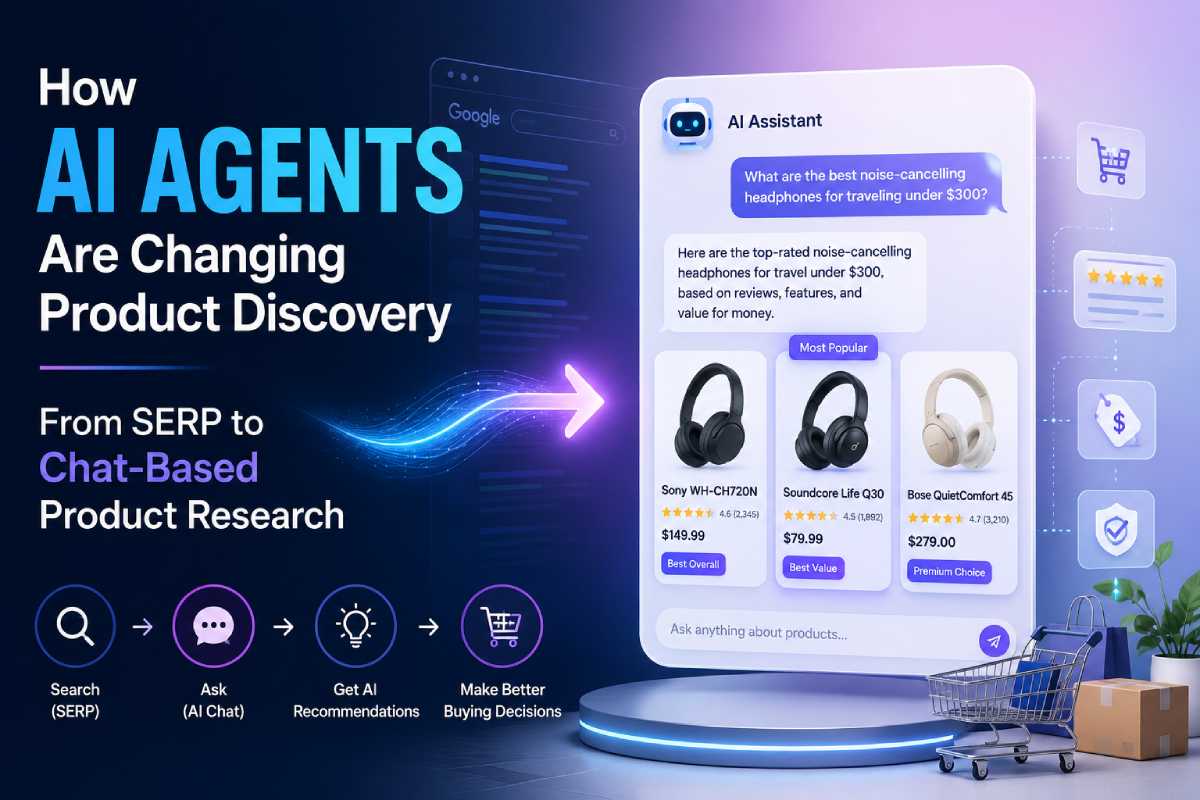
With an AI function system, users can try clothes virtually, such as with Lenskart, which lets them try lenses before purchasing suitable specs.
Education
Students or learners can use platforms with AI integration to study complex issues more easily.
Media & Entertainment
AI helps with scriptwriting, video production, and AI-powered game design. Interactive storytelling experiences.
How Generative AI Impacts Business
Here’s a list of the impact of generative AI on businesses.
Productivity Explosion
Teams are achieving 5–10x output with the same resources.
Result: Smaller teams, bigger impact
Redefinition of Rules
Routine tasks are automated, while human roles shift toward:
- Strategy
- Creativity
- Oversight
Faster Innovation of Cycles
Ideas move from concept to execution in days instead of months.
Cost Efficiency Meets Creativity
AI reduces operational costs while unlocking new creative possibilities.
Challenges To Watch
So, what challenges might businesses face when integrating AI systems into their workflows? Let’s grab it!
- Data security risks
- Model hallucinations
- Ethical concerns
- Skill Gaps in the Workforce
Businesses that ignore these risks may face reputational and operational setbacks.
How Businesses Can Prepare
Businesses can start by investing in AI literacy, start small and scale fast, build responsible AI frameworks, and integrate, rather than isolate.
Final Thoughts
Generative AI in 2026 is becoming essential for modern businesses. Key generative AI trends 2026 show rapid growth in automation, personalization, and innovation. The future of generative AI in business lies in transforming workflows and decision-making, with strong generative AI use cases in 2026 across industries.
As AI content generation trends 2026 evolve, companies are creating faster, smarter content. Overall, the ways generative AI is changing industries highlight major efficiency gains, new opportunities for startups, and significant benefits for enterprises.

Author of four Opencart book.
The recent are Opencart 4 developer book and Opencart 4 user manual