How To Play Games On School Chromebook?

5

Playing games on a school Chromebook can be a bit challenging due to the device’s restricted nature and the school’s policies. However, there are some options available to play games on school Chromebooks within the allowed boundaries. 

Firstly, check if the school allows any game apps or websites for educational purposes. Some educational games may be permitted, so look for those that align with the curriculum. Alternatively, some schools provide a list of approved games or educational platforms. 

If gaming is strictly prohibited, consider exploring browser-based games that don’t require installations or admin access. Websites offering HTML5 or WebGL games might work on Chromebooks. 

Remember to respect the school’s rules and focus on academic tasks during school hours. Always consult with teachers or school administrators to ensure you are complying with the policies while trying to make the most out of your Chromebook experience.

What Types Of Games Are Allowed On School Chromebooks?

The types of games allowed on school Chromebooks generally adhere to educational and productivity purposes. Most schools have strict policies that limit recreational gaming to maintain a focused learning environment. 

Educational games directly related to academic subjects, problem-solving, or critical thinking may be permitted, as they can complement classroom lessons and enhance learning experiences.

One classic example of an allowed game on school Chromebooks is Google Snake, a simple and educational game based on the traditional Snake concept. It can be found on Google Search, and it serves as a fun and harmless option for students to play during their free time. 

As a browser-based game, it doesn’t require any installations or downloads, making it a convenient choice for school Chromebooks. However, it’s essential for students to respect their school’s rules and focus on academic tasks during class hours. 

If uncertain about specific game allowances, students should check with teachers or school administrators to ensure they are complying with the policies while still enjoying the educational aspects of approved games on their Chromebooks.

Are There Any Educational Games Approved For Use On School Chromebooks?

Yes, there are educational games approved for use on school Chromebooks. These games are designed to promote learning in a fun and interactive way, covering various subjects like math, language arts, science, and more. 

The best part is that they offer a no-lag gaming experience, running smoothly on Chromebooks without disruptions. Educational Chromebook games aim to complement classroom instruction, enhancing problem-solving skills and critical thinking. 

Students can enjoy these approved games while engaging in educational content, making learning both enjoyable and effective.

 It’s essential to use only school-approved games to ensure compliance with policies and create a productive learning environment. Teachers and administrators can guide students on accessing and utilizing these games for academic benefit.

How Can I Access Browser-Based Games On My School Chromebook?

To Play Games On a School Chromebook, you can access browser-based games easily. Simply open the Google Chrome browser on your school Chromebook and search for websites that offer browser games.

Many gaming platforms and websites provide a wide variety of games that can be played directly within the browser, without the need for downloads or installations. Look for HTML5 or WebGL games, as they are optimized to run smoothly on Chromebooks.

However, it’s essential to ensure that the games you access are school-appropriate and align with your school’s policies on gaming during school hours. Stick to educational games or those that have been approved by your school to strike a balance between fun and learning while using your Chromebook at school.

Is There A List Of Approved Gaming Websites For School Chromebooks?

The availability of a list of approved gaming websites for school Chromebooks may vary depending on the school’s policies and restrictions. Some educational institutions may provide a curated list of approved gaming websites that align with academic objectives and promote learning. 

To Play Games On School Chromebooks, students should inquire with teachers or school administrators to see if such a list exists. If there is no official list, it is essential to follow the school’s guidelines and only access games that are educational and permitted during school hours. 

Prioritizing educational games ensures a productive and balanced use of Chromebooks in the school environment, supporting both academic growth and a positive gaming experience.

Are There Any Restrictions On Downloading Games On School Chromebooks?

Yes, there are typically restrictions on downloading games on school Chromebooks. Educational institutions often enforce strict policies to maintain a focused learning environment and prevent unauthorized software installations. To Play Games On School Chromebook, students may find that downloading games from external sources is disabled or blocked by the school’s IT administrators.

School Chromebooks are usually managed by the school’s IT department, which sets restrictions to ensure that students primarily use the devices for educational purposes. These restrictions aim to prevent distractions, security risks, and potential misuse of the devices.

If students want to access games on school Chromebooks, they should explore browser-based games that don’t require downloads or installations. Many educational and fun games can be played directly within the web browser, making them a suitable option for students during designated free time or educational activities.

As always, students should adhere to the school’s policies and guidelines to ensure responsible and productive use of Chromebooks while still enjoying a positive gaming experience within the allowed boundaries.

Can I Play Games On My School Chromebook Outside Of School Hours?

Outside of school hours, the ability to Play Games On School Chromebook may depend on your school’s policies. Some educational institutions may have different rules for device usage during non-school hours. 

If the school allows personal use of Chromebooks outside of school hours, you may have the freedom to access browser-based games or approved educational games for entertainment. However, it’s crucial to remember that responsible and appropriate use of the device should always be practiced, even during personal time.

Always follow your school’s guidelines to ensure a balanced and productive use of your school Chromebook, both within and outside of school hours.

What Are The Best Browser-Based Games Compatible With Chromebooks?

For students looking to Play Games On School Chromebooks, there are several great browser-based games compatible with Chromebooks. Some of the best options include classics like Google Snake and Sudoku, which offer simple yet addictive gameplay.

For those who enjoy multiplayer challenges, Agar.io and Slither.io provide competitive fun. Puzzle enthusiasts can try their hand at 2048 or Cut the Rope, while fans of arcade-style games may enjoy Crossy Road and Hole.io. 

Additionally, Flow Free offers a relaxing puzzle experience. These browser-based games are not only entertaining but also work smoothly on Chromebooks, making them perfect for quick gaming sessions during free time or breaks. 

As always, students should follow their school’s policies regarding game usage to ensure responsible and appropriate device use.

12 Marketing Strategies for a Software Development Company

In the software development sector, marketing calls for a combination of strategic strategy, technical understanding, and creative ability. Unlike consumer items, software solutions often target a niche clientele with particular needs, making the marketing strategy more complex and concentrated. According to stats, revenue in the Application Development Software market is projected to reach US$182.70bn in 2024. ·

For a software development company Texas, several factors are particularly critical given the competitive tech landscape in the region. These are thorough marketing plans a software development company in Texas can use to guarantee brand recognition and steady expansion.

  1. Define Your Unique Value Proposition (UVP) 
  • Identify Unique Features: 

Determine the special qualities of your program. Is it price point, customer service, usability, or functionality? Emphasize these features in all kinds of marketing collateral.

  • Customer Pain Points: 

Clearly state for your target audience how your program addresses particular issues. To bolster your assertions, cite client comments and endorsements.

  • Competitive Analysis: 

Extensive competitor study can help you to clearly differentiate your products. Point up areas in their products that your own fills in need.

  1. Develop a Comprehensive Content Marketing Strategy
  • Educational Content: 

Create blog entries, whitepapers, e-books, and case studies teaching your readers on industry trends, problems, and answers. This gives your business thought leadership status.

  • SEO Optimization: 

Make every piece search engine friendly so as to boost natural traffic. Find pertinent terms and phrases by means of keyword research tools.

  • Guest Blogging and Partnerships: 

Publish guest blogs working with websites and industry leaders. This increases credibility and widens your audience.

  1. Leverage Social Media Platforms
  • Platform Selection:

Select sites where your target market mainly resides. B2B marketing depends on LinkedIn; for interacting with IT groups, networks like Twitter and Reddit might be helpful.

  • Content Variety: 

Share a combination of material including articles, videos, infographics, and live streaming. Highlights behind-the-scenes of your team culture, client success stories, and development process.

  • Engagement and Interaction: 

Respond to comments, lead debates, and run surveys or Q&A sessions to actively involve your audience.

  1. Utilize Pay-Per-Click (PPC) Advertising
  • Targeted Campaigns:

Run focused PPC campaigns on sites including Google Ads, LinkedIn Ads, and Facebook Ads. Reaching particular sectors and groups, use exact targeting choices.

  • Landing Pages:  

Create specific landing pages for every campaign. With clear calls-to- action (CTAs), striking images, and succinct material, make sure these sites are converted friendly.

  • A/B Testing:  

A/B testing many ad creatives, headlines, and CTAs to find which appeals most to your audience. 70% of marketers believe that A/B testing is essential to boost conversion rates.

  1. Implement Email Marketing Campaigns
  • Segmentation: 

Sort your email list according to industry, job position, and degree of involvement. This enables tailored messages addressing the particular requirements of every group.

  • Nurture Campaigns: 

Create email sequences that gently guide leads over the sales process. To keep prospects interested, offer product updates, case studies, and worthwhile materials.

  • Automated Follow-Ups: 

Send follow-up emails depending on user behavior—that of downloading a whitepaper or registering for a webinar using marketing automation technologies.

  1. Offer Free Trials and Demos
  • Easy access: 

Provide free trials or demos of your program so that possible clients may easily get at them. Show this choice conspicuously on your marketing tools and website.

  • Guided Tours: 

To let users fully utilize your program, schedule onboarding courses or guided tours. This raises the conversion likelihood greatly.

  • Feedback Collection: 

Get user comments during the trial time. This enhances not only your offering but also fosters rapport with possible consumers.

  1. Attend and Host Industry Events
  • Trade Shows and Conferences: 

Attend pertinent trade shows and conferences to network with possible customers, partners, and influencers. To improve visibility, think about speaking or sponsoring these activities.

  • Online Events and Webinars:

Organize webinars and online courses on subjects pertinent to your readership. This helps you to highlight your knowledge and create leads.

  • Community Involvement: 

Take part in neighbourhood events, hackathons, and tech conferences. Participating with the tech community helps to build brand loyalty and partnerships.

  1. Develop Strategic Partnerships
  • Complementary Businesses: 

Join forces with companies providing complementary goods or services. A software development company might, for instance, team with a digital marketing agency to provide customers complete solutions.

  • Referral Programs: 

Set up a system to reward current clients and partners to forward fresh business. Provide prizes include credits, discounts, or unique capabilities.

  • Joint Ventures:

Look at collaborative ventures for co-development of fresh ideas or market entrance. This might take use of the resources and strengths of both businesses.

  1. Optimize Your Website
  • User Experience (UX): 

Verify that your website is visually appealing, easily navigable, and mobile device friendly. Conversion rates can be very much influenced by a positive user experience.

  • Clear Messaging: 

Clearly express on the webpage your UVP and main advantages. Catch visitors’ attention with striking images and short copy.

  • Conversion Optimization: 

Use chatbots, lead collection forms, and simple CTAs among other conversion rate optimization strategies. Review website performance often and make data-based changes.

  1. Invest in Public Relations (PR)
  • Press Releases: 

Share industry honors, corporate accomplishments, and new product introductions often through press releases. This helps credibility and creates media coverage.

  • Media Outreach: 

Develop ties to bloggers and business reporters. Pitch narrative concepts and provide professional industry trend analysis.

  • Thought Leadership:  

Through industry panels, guest article writing, and speaking engagements, position firm executives as thinking leaders.

  1. Focus on Customer Success
  • Onboarding Programs: 

Create thorough onboarding initiatives to guarantee that recent users of your software can make good use of it. Offer tools for training, video guides, and committed assistance.

  • Customer Feedback: 

Actively search and respond to comments. Use feedback loops and consistent surveys to better the product and grasp consumer wants.

  • Loyalty Programs:  

Create loyalty programs to honor returning long-term consumers. Provide special tools, early access to fresh ideas, and individualized assistance.

  1. Measure and Analyze Performance
  • Important Metrics: 

List PIs that complement your marketing objectives. Typical KPIs are internet traffic, conversion rates, customer acquisition cost (CAC), and lifetime value (LTV).

  • Analytics Tools: 

Track and examine performance with analytics tools including Google Analytics, SEMrush, and HubSpot. Review data often to spot patterns and areas that call for work.

  • Continuous Improvement: 

Create a culture of ongoing development. Apply data analysis findings to improve marketing plans, streamline campaigns, and raise client involvement.

Conclusion

For a software development company, good marketing plans include conventional and digital approaches, each catered to the particular requirements of the target market. Companies can raise brand awareness and stimulate development by clearly establishing a UVP, producing worthwhile material, using social media, and applying focused advertising. 

Furthermore, ensuring consistent success in the competitive software development services involves emphasizing client success and ongoing performance evaluation. In the software sector, marketing is an always changing process needing flexibility and creativity. 

Software development firms that remain sensitive to consumer wants and market changes will draw fresh business and build long-term connections that support referrals and repeat business. By staying attuned to the evolving needs of the market and consistently delivering high-quality software development services, companies can foster lasting client relationships and a robust referral network.


Web Hosting Security: Best Practices to Protect Your Website 

Web hosting is about so much more than staking claim to a plot of digital land on which to house your website. It’s about creating a safe space for your online business but also for your customers. So don’t just leave it up to your host—take the time to implement these best practices to protect your website, your traffic, and your users. 

Why Is Web Hosting Security Important? 

Web hosting security protects your website from external threats. This isn’t just important for you (data integrity, business continuity, etc.), but it also plays a big part in user trust. Just one data leak and your trustworthiness is lost forever. Let’s look deeper: 

1. Data Integrity 

Websites store sensitive data, including things like personal information, financial details, and business data. Without strong security measures, this important info can be compromised. With this data in the hands of cyber criminals, users may be subject to identity theft, financial loss, and legal issues. 

2. User Trust 

Your visitors and customers trust that their interactions with your website are secure. A breach can shatter this trust, resulting in a damaged reputation and your loyal users flocking to competitors instead. Secure websites show users that their data is safe, building up confidence and encouraging engagement and purchases with no worry. 

3. Business Continuity

Cyber attacks can cause downtime, disrupting your business operations, preventing sales, and leading to financial losses. By securing your site, you can minimize the risk of attacks that could take your site offline. Even if you can’t stop them, tough security can make them less effective and get you back up and running faster after an attack. 

4. Regulatory Compliance

Many industries are subject to regulations that require the protection of sensitive data. Tight security not only helps your site comply with these regulations but also shows that you’re committed to protecting your customer’s sensitive info. Plus, if you aren’t compliant, you face legal penalties that could be monetary or worse—shutting down or blacklisting your business. 

5. Protection Against Attacks

Web hosting security defends your website against various attacks, including malware, phishing, DDoS, and SQL injection. E-commerce websites, businesses, and customer trust take a LOT of time to put together… And inadequate security can flatten it all in a matter of minutes. It only takes one successful attack to ruin your business. 

6. SEO Benefits

Search engines like Google prioritize secure websites when they rank pages. Websites with HTTPS are usually ranked higher than those without it, and that’s just basic security. So getting your security right doesn’t just mean you’ll be protecting your existing customers—it could help bring in new ones, too. 

Common Threats Facing Websites Today 

Websites today face a wide range of threats that can compromise their security and functionality. Here are some of the most common ones to be aware of: 

  • Malware: Includes ransomware and Trojans that steal data and disrupt operations​. 
  • Phishing: Tricks users into giving out sensitive information via deceptive emails or websites​. 
  • DDoS Attacks: Overload servers with traffic, causing downtime​​ that seems to have no cause. 
  • Exploits: SQL injection and cross-site scripting (XSS) allow unauthorized data access​. 
  • IoT Attacks: Target insecure IoT devices as entry points to networks. 

Best Practices to Protect Your Website 

Implement SSL/TLS Certificates 

SSL/TLS certificates encrypt data when it’s traveling between your server and users’ servers. This means that even if the info is intercepted by someone with malicious intent, it’s unlikely to be usable. 

Regular Software Updates and Patch Management

Regularly update your software, including operating systems, CMS, plugins, and themes. Updates often include security patches that fix vulnerabilities before they can be exploited by attackers. Wherever possible, enable automatic updates so your business and users stay safe even if you’re a touch late to notice an update. 

Strong Authentication Mechanisms 

Implement Two-Factor Authentication (2FA) 

Two-factor authentication adds a second layer of security by asking for a verification code in addition to the password. This code can be sent to a mobile device or generated by an authentication app, so unauthorized access becomes virtually impossible. 

Use Strong, Unique Passwords 

Make sure that all passwords are complex and unique, using a mix of letters, numbers, and symbols. One of the biggest mistakes is reusing passwords across multiple accounts. Strong, unique passwords are a surprisingly effective way of protecting sensitive information and preventing access that shouldn’t happen. 

Periodically Change Passwords

Regularly changing passwords might seem like an annoyance, but it makes a huge difference in reducing the risk of compromised credentials. Changing passwords often means that even if a password is stolen, it won’t be usable for long. 

Firewall and Access Controls 

Install and Set Up a Web Application Firewall

A web application firewall (WAF) helps protect your website by filtering and monitoring HTTP traffic between web apps and the Internet. A properly configured WAF can block common threats and malicious requests, adding a layer of security. 

Configure IP Whitelisting/Blacklisting

IP whitelisting allows access only from trusted IP addresses while blacklisting blocks known malicious IP addresses. This helps control who can access your website and improves security. By regularly updating your whitelist and blacklist, you can adapt to new threats and make sure that only authorized users can access your site. 

Use SSH Keys for Secure Server Access

SSH keys give you a more secure way of logging into a server with SSH than just using a password alone. They use cryptographic keys, which are much harder to crack than passwords. Only authorized users with the correct key can access your server. 

Data Backup and Recovery Plans 

Backing your website data up often means if there’s a problem, you’re in a better position to quickly restore your data and continue operating with little interruption. It’s a good idea to store backups in an off-site location that’s secure against cyber attacks, physical damage, and theft. Automating the backup process is also good practice. 

Regular Security Audits and Vulnerability Scanning 

Conduct Regular Security Audits

Regular security audits help identify and fix vulnerabilities. These audits should cover all aspects of your website’s security, including server configuration, software updates, and user access controls. This helps you stay ahead of potential threats. 

Scan Website Files for Malware

Regularly scanning your website files for malware helps detect and remove malicious software before it can cause chaos. Use automated tools to perform these scans and keep your site clean. 

Website Encryption 

Encrypt Data Stored on Servers 

Encrypting data stored on your servers means that even if the data is accessed without authorization, it can’t be read without the encryption key. It’s an easy and useful way of adding an extra layer of security to your data. 

Use Secure Communication Protocols

Using secure communication protocols like HTTPS and TLS or end-to-end encryption keeps data safe when it’s moving between your site and other places. Secure protocols prevent data from being read or tampered with during transmission. 

Securely Managing User Permissions 

Apply the Principle of Least Privilege 

Only give users the permissions they need to perform their tasks. By restricting access, you lower the risk of unauthorized actions and make sure that users can’t perform actions beyond the essentials of their role. Regularly review and revoke permissions where necessary. 

Implement Separation of Duties and Access Controls

Separate duties among different users and implement strict access controls. By dividing responsibilities, you make sure that no single user has excessive control, which helps prevent fraud and unauthorized access. 

DDoS Protection 

Utilize DDoS Mitigation Services 

DDoS mitigation services can detect and block malicious traffic, helping protect your website from Distributed Denial of Service attacks. These services analyze incoming traffic and filter out harmful requests, keeping your site a whole lot safer from this kind of attack, which can be devastating to a business. 

Implement Rate Limiting and Traffic Filtering 

Rate limiting controls the number of requests a user can make to your server. Traffic filtering blocks strange or malicious requests. By implementing these, you can reduce the impact of potential attacks and maintain the performance of your website. 

Secure File Transfers 

Use SFTP or FTPS Instead of FTP 

SFTP and FTPS protect data in transit. These protocols use encryption to secure data on files being transferred from your site to somewhere else so they can’t be tampered with. 

Ensure Secure File Uploads

Implement security measures to verify and sanitize files uploaded to your website, so nothing malicious ends up finding its way into your backend. By scanning and validating uploaded files, you can block harmful content. 

Implement File Integrity Monitoring 

File integrity monitoring helps detect unauthorized changes to your files, alerting you to potential security breaches. By regularly checking the integrity of your files, you can identify and respond to strange modifications quickly. 

Monitoring and Logging 

Continuously Monitor Security 

Continuous security monitoring helps detect and respond to threats in real-time. By using monitoring tools, you can track activities and identify potential issues as they arise, allowing for quick intervention before anything can take hold and cause havoc. 

Set Up Logging for Security Events 

Logging security events allows you to track and analyze suspicious activity on your website so you can identify and respond to potential threats ASAP. Keep detailed logs of all security-related events and review them regularly to spot patterns that may indicate security breaches. 

Add Website Security Extensions 

Website security extensions provide an extra layer of protection against various online threats. They can also offer features such as ad blocking, script blocking, and cookie management to improve user privacy. 

What Security Features to Look for in Web Hosting Providers

  • Software Security: Make sure the web hosting provider uses updated software and applies regular security patches to protect against vulnerabilities. 
  • SSL Certificate: Look for hosting providers that offer SSL certificates to encrypt data transferred between your website and its users. 
  • Backups and Restorations: The best web hosting providers offer regular backups and easy restoration options to quickly recover from data loss or breaches. 
  • DDoS Protection: Select a hosting service with built-in DDoS protection to safeguard against Distributed Denial of Service attacks. 
  • Network Monitoring: Opt for providers that offer continuous network monitoring to detect and respond to suspicious activities promptly. 
  • CDN Support: Make sure the provider supports Content Delivery Networks (CDNs) to improve security and website performance by distributing content across multiple servers. 

Conclusion 

Choosing the best web hosting provider is about much more than just performance. It’s also about security because an unsecured site is a fast track to losing customers and crashing a business. But don’t leave it all to your web host, either—do what you can to make sure your site is as safe as it comes. After all, your livelihood and your reputation are on the line. 

Top P2P Exchange Software in 2025 – Transforms the Digital Economy

Hey, Cryptopreneurs! It is a privilege to address such an esteemed audience today as we explore a dynamic and critical aspect of our digital age: P2P Exchange Software in 2025. Whether you are a fintech enthusiast, a blockchain advocate, or a business visionary, the growing dominance of peer-to-peer exchanges can’t be overstated. This shift is not just about the technology – it is a revolution in how value moves across the globe.

As we delve into the nuances of top P2P Exchange Software in 2025, we will examine why it is important, what sets the leaders apart, and how they are shaping the digital economy.

Rise of P2P Exchange

Let’s initiate by understanding why P2P Exchanges have emerged as the pre-determined choice for millions worldwide. Peer-to-peer platforms permit users to trade directly with one another without needing intermediates such as banks or centralized exchanges.

In a world increasingly focused on transparency, decentralization, and user empowerment, P2P Cryptocurrency Exchange Software addresses various pain points:

Financial Inclusion

Nearly 1.4 Billion people globally remain unbanked. Traditional Financial systems often exclude these individuals, but the p2p platform, which need only an internet connection and digital identity, paves up vast opportunities.

Cost Efficiency

Centralized Systems depend on intermediates, which increase transaction costs. P2P Platforms slash these fees, which makes trading more affordable for users.

Privacy and Security

Peer-to-Peer Exchanges operate without centralized custody of funds, which minimizes risks of hacking and fraudulent activities. Furthermore, cutting-edge encryption protocols ensure data protection.

Flexibility and Freedom

Users can choose their terms, set their prices, and transact in various payment methods, from fiat to cryptocurrency and even bartering.

What Defines the Best P2P Exchange Software in 2025?

By 2025, the Peer-to-Peer Exchange ecosystem will be thriving, with platforms that are implementing cutting-edge technology, delivering seamless experiences, and prioritizing security. But what truly sets the top players apart?

User-centric Design

Leading Peer-to-Peer Platforms prioritize intuitive, user-friendly interfaces. Whether you are a tech-savvy trader or a newbie to digital finance, the experience feels effortless.

  • AI-Powered Navigation: Artificial Intelligence tools personalize trading experiences, that provide suggestions based on user preferences.
  • Onboarding Simplicity – Easy Registration processes and multi-lingual support break down barriers to entry.

Interoperability

Gone are the days of isolated ecosystems. The top P2P Crypto Exchange Software implements effortlessly with external platforms, that includes crypto wallets, decentralized apps (dApps), and financial services. 

  • Cross-chain Functionality – Users can trade digitalized assets all over multiple blockchains seamlessly.
  • APIs for Implementation – Businesses can plug Peer-to-Peer functionalities directly into their systems, which makes hybrid solutions for diverse use cases.

Cutting-edge Security Protocols

In 2025, cyber threats will be more sophisticated than ever, and so will defenses. Leading platforms employ multi-layered security:

  • Decentralized Identity Verification – Blockchain-backed identity systems protect against fraud while safeguarding user anonymity.
  • Escrow Mechanisms – Smart Contracts assure trustless transactions by securely holding funds until all conditions are met.

Globalized Payment Flexibility

With the world becoming increasingly interconnected, top Peer-to-Peer Exchange Platforms support various payment methods:

  • Fiat Integration – Local currency options for regions with limited crypto adoption.
  • Crypto and Stablecoin Payments – Stablecoins bridge the gap for users who seek low-volatility digital transactions.
  • Emerging Payment Solutions – Implementation with super apps, QR code systems, and even offline trade mechanisms that ensure no one is left behind.

Regulatory Compliance

While the Decentralized ethos champions freedom, top platforms recognize the requirement for compliance to thrive in regulated markets.

  • Modular KYC/AML Frameworks – Flexible compliance protocols cater to the diverse legalized landscape across jurisdictions.
  • Transparency without Sacrifice – Decentralization meets accountability via open governance models, where user votes shape platform policies.

The Leaders of 2025: Top P2P Crypto Exchange Platforms

Now, Let’s discuss the innovators who are reshaping this dynamic field. While the competition is fierce, a few platforms have risen to prominence by addressing user requirements with unmatched precision.

Platform A – The Global Connector

Platform A has revolutionized cross-border trading by eradicating intermediates entirely. The key feature include:

  • Cross-Border Microtransactions – Ideal for Freelancers and SMEs seeking to bypass traditional remittance systems.
  • Smart Arbitration – AI-driven arbitration resolves disputes in minutes, which maintains trust between users.

Platform B – Privacy Pioneer

In an era of increasing surveillance, Platform B stands as a bastion of privacy. Its offerings include:

  • Anonymous Trading Modes – Fully shielded transactions for users prioritizing confidentiality.
  • Decentralized Hosting – The platform operates on a globalized network of nodes, that ensures no single point of failure.

Platform C – The DeFi Innovator

Blurring the lines between Peer to Peer Exchanges and Decentralized Finance (DeFi), Platform C empowers user with:

Integrated Lending & Staking – Users can lend assets or stake tokens directly within the exchange ecosystem.

Automated Market Making (AMM) – Liquidity pools ensure instant order matching, even in low-volume markets.

Case Study: Transforming Economies Through P2P

To illustrate the transformative impact of developing a P2P exchange software, let’s consider a case study:

In 2025, a small agricultural cooperative in Sub-Saharan Africa adopted a leading P2P exchange to bypass exploitative middlemen. Farmers began trading directly with buyers from urban markets, receiving fair prices for their produce. Payments were made in stablecoins, eliminating currency fluctuation risks.

The result? Increased incomes, improved financial literacy, and a strengthened local economy. This is the power of P2P exchanges in action.

Challenges and Opportunities Ahead

Of course, no revolution is without its hurdles. The journey to P2P dominance involves addressing several key challenges:

Scalability

As user bases grow, platforms must scale to handle increased demand without compromising speed or efficiency.

User Education

For mass adoption, platforms must invest in education campaigns, demystifying digital finance for everyday users.

Regulatory Harmonization

Governments worldwide must collaborate to create frameworks that balance innovation with consumer protection.

However, these challenges also present opportunities:

Technological Evolution: From quantum computing to next-gen encryption, emerging technologies will redefine security and efficiency.

Collaborative Ecosystems: Partnerships between P2P platforms, governments, and traditional financial institutions can create inclusive systems.

The Vision for 2030 and Beyond

Looking beyond 2025, the trajectory for P2P exchanges is incredibly promising. We foresee a world where:

Universal Access – Every individual, regardless of geography, can participate in the global economy through P2P platforms.

Seamless Integration – P2P exchanges become the backbone of decentralized systems, enabling commerce, governance, and beyond.

Sustainability – Eco-friendly blockchain solutions ensure P2P growth doesn’t come at the expense of our planet.

This vision is not merely aspirational—it is attainable. The pioneers of today are laying the foundation for a future where financial freedom is no longer a privilege but a right.

Conclusion

Ladies and gentlemen, as we stand on the cusp of this digital revolution, we must recognize that P2P exchange software is more than a tool—it’s a catalyst for change. It empowers individuals, democratizes economies, and reshapes how we connect and collaborate across borders.

The leaders of 2025 are not just platforms; they are architects of a new world order. And you, as stakeholders in this journey, have the power to drive this transformation further.

So let us embrace the opportunities, tackle the challenges, and build a future where everyone has a stake in the global economy. Together, we can make it happen.

Author Bio

Jamiee Lucas is a leading blockchain expert and a pioneer in P2P Exchange Development. With a deep passion for innovation, Jamiee specializes in creating secure, scalable, and feature-rich crypto trading platforms.

Over the years, Jamiee has worked with businesses worldwide, offering tailored solutions that combine cutting-edge technology with seamless user experiences.

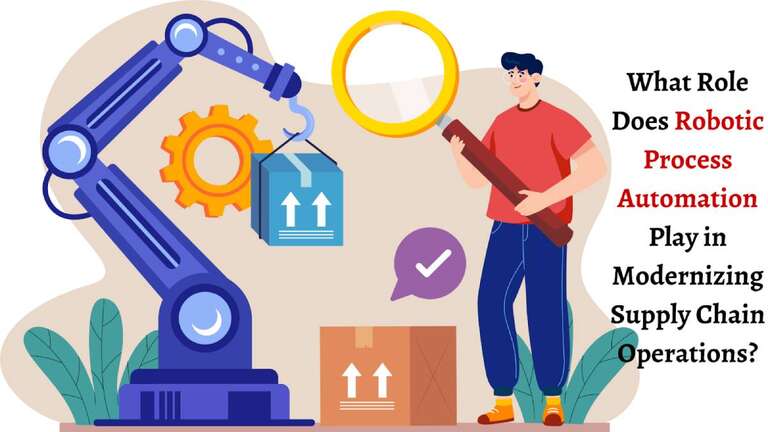
What Role Does Robotic Process Automation Play in Modernizing Supply Chain Operations?

Supply chain operations play an influential function in demarcating an organization’s conquest in today’s hyper-competitive business environment. Streamlining these operations becomes a foremost priority, and supply chain robotic process automation is a transformative driving emphasis for efficacy and innovation. Integrating RPA software bots into supply chain processes describes a new world of functional excellence. Tasks will likely be conducted faster, with minimal errors, and valuable human resources will be used more efficiently.

Supply chain-related  RPA catalyzes the electronic transformation journey, helping organizations manage modern supply chain management during complex journeys. RPA lets supply chain professionals outsource routine, time-consuming tasks and concentrate on more strategic and value-added activities. This shift not only enhances the efficiency of supply chain operations but also brings greater job satisfaction and employee engagement, with staff freed from the tedium of routine tasks and thus able to contribute more meaningfully to the organization’s success.

Let us examine how Robotic Process Automation can be your secret weapon in day-to-day business applications and the benefits that can propel your supply chain toward peak performance.

Comprehending the Role of Robotic Process Automation in Supply Chain

RPA is rapidly gaining prominence as a powerful optimization tool within the supply chain management domain. RPA uses software bots that automate well-defined, high-volume tasks across disparate systems within the supply chain ecosystem. These bots copy human behavior by interacting with applications and databases, making work processes such as data entry, inventory management, order processing, and supplier communication more efficient.

 RPA enables the automation of these repetitive, rule-based tasks, thereby assisting human capital to fulfill the supply chain’s more strategic ends-e.g., planning and data analysis. This improves overall efficiency and accuracy and unlocks many other benefits. From faster processing times and fewer error-prone manual interventions to better visibility in supply chains through real-time data and cost savings by reducing labor, RPA presents a desirable proposition for organizations seeking to optimize their supply chain activities. 

Market Takeaways of Robotic Process Automation in Supply Chain

RPA automates repetitiveness in the supply chain, thus freeing employees from strategic work. McKinsey estimates that AI development services can automate as much as 70% of logistics tasks, saving costs significantly. Tasks also reduce errors and improve data accuracy while speeding up processes. A Deloitte study saw order processing time cut by 25% among companies using RPA. 

Real-time data from those automated processes gives better inventory, production, and delivery visibility, thus enabling more accurate planning and response. One such ample food and beverage company used RPA to automate the collection of warehousing data for optimized inventory management.

Benefits of RPA in Supply Chain

RPA  modernizes supply chain management by automating repetitive tasks. This decodes many enterprise advantages, improving efficiency, accuracy, and prevalent supply chain performance. Here’s a closer glimpse at the pivotal benefits of RPA:

  1. Higher Quality Services

RPA eliminates human error in data entry, order processing, and other critical tasks. This results in reduced errors, higher accuracy levels, and, therefore, delivery of high-quality services to the customers, faster turnaround times, and consistent performance.

Quality control measures can be programmed with RPA bots, such as:

  • Data validation check: Robotic Process Automation bots can correspond data points against predefined regulations or references stored in the databases to pinpoint inconsistencies and flag conceivable errors.
  • Automated error notifications: Such discrepancies can be automatically notified to appropriate personnel for correction, thereby preventing their passage into the workflow in the form of errors.
  • Integration with Machine Learning: Advanced RPA platforms can easily integrate with ML algorithms. Such algorithms learn from historical data and continuously observe patterns that may indicate errors. Such an integration would allow them to prevent the mistakes proactively and correct errors.
  1. Greater Compliance

RPA ensures automatic and regular adherence to regulations and compliance standards. It is most beneficial to industries that require heavy regulation, such as pharmaceuticals or food safety, as it reduces the possibility of human error in complex compliance protocols.

Using decision trees can program Robotic Process Automation bots to follow specific compliance rules. These flowcharts outline the actions a bot should undertake only after carefully considering particular criteria. In compliance, there can be programmed decision trees that ensure tasks comply with regulations.

Integration with regulatory databases: RPA platforms can connect to regulatory databases that verify information against the most current rules of compliance.

  1. Reduced Costs

RPA cuts labor costs significantly by automating repetitive jobs. Errors are fewer, and efficiency increases, bringing cost savings on rework and inventory management. Companies using RPA in the supply chain can cut costs by up to 20% by automating manual processes.

Conclusion

The future of supply chain management is undoubtedly intertwined with RPA. It functions as the footing for businesses to begin their digital transformation journey. As the technology of RPA evolves, so will the capabilities and efficiencies of supply chain operations. From hyper automation and AI in supply chain synergy and sustainability, the trends discussed point to a roadmap for businesses to embrace the future of supply chain management.

The adoption of these trends increases organizations’ visibility, reduces costs, enhances the accuracy quotient, and increases their ability to respond to market shifts. Thus, they can produce excellent customer experiences and maintain a competitive advantage in the dynamic world of supply chain management.

Is this the end of Third-party dependencies? CrowdStrike Outage and Polyfill attack

Two recent cases one is Polyfill JS attack and CrowdStrike outage. As we increasingly rely on third-party services to streamline operations and enhance cybersecurity, recent events have made us question this dependency. Multiple websites were dependent on Polyfill JS for modernizing the browser functionalities and the attack happens. The CrowdStrike outage brings down multiple windows machine and business. The CrowdStrike outage and the Pollyfill attack have exposed significant vulnerabilities, prompting us to reevaluate our reliance on these external solutions. Are we witnessing the end of third-party dependencies, or is it time for a strategic evolution in how we manage them?

The Role of Third-Party Dependencies

Third-party dependencies are integral to modern software development and cybersecurity. They offer advanced functionalities, reduce development time, and often provide better security measures than many organizations could develop independently. Companies like CrowdStrike are at the forefront of this trend, providing essential cybersecurity services that protect against ever-evolving threats.

Benefits of Third-Party Dependencies

  1. Enhanced Capabilities: By tapping into the expertise of specialized providers, we can leverage state-of-the-art technologies and practices.
  2. Scalability: Cloud-native solutions allow us to scale resources effortlessly, adapting to changing demands.
  3. Cost Efficiency: Outsourcing specialized tasks can be more cost-effective than building and maintaining these capabilities in-house.
  4. Focus on Core Business: This reliance enables us to concentrate on our core operations, leaving specialized tasks to the experts.

The CrowdStrike Outage: A Wake-Up Call

CrowdStrike’s reputation for robust threat detection and endpoint protection was challenged when it experienced an unexpected outage. This incident was more than just a technical hiccup; it was a stark reminder of the vulnerabilities inherent in our reliance on third-party services.

Impact of the CrowdStrike Outage

  1. Operational Disruption: The interruption affected our ability to monitor and respond to cyber threats effectively, leaving our systems vulnerable.
  2. Increased Vulnerability: With detection capabilities compromised, potential threats could go undetected, increasing our exposure.
  3. Data Security and Compliance Risks: Outages can lead to data breaches and compliance issues, as continuous monitoring is often a regulatory requirement.
  4. Business Continuity Concerns: Critical operations were disrupted, potentially leading to financial losses and reputational damage.

In a hypothetical scenario, consider an outage affecting CrowdStrike’s Falcon platform:

Timeline of Events:

  • 00:00: CrowdStrike detects an issue affecting its cloud infrastructure, causing a service outage.
  • 00:30: Incident response teams are mobilized to diagnose and resolve the issue.
  • 01:00: Organizations relying on Falcon for endpoint protection begin to experience interruptions in threat detection and response capabilities.
  • 03:00: Partial restoration of services; however, some customers continue to experience degraded performance.
  • 06:00: Full restoration of services; CrowdStrike issues a detailed incident report outlining the cause and resolution.

Lessons Learned

  1. Resilience and Redundancy: It’s crucial to build systems with backup measures to ensure continuous protection.
  2. Vendor Management: Regularly assess vendor reliability and establish clear service level agreements (SLAs) for outage responses.
  3. Effective Communication: Transparent communication with stakeholders during disruptions can help manage expectations and mitigate impacts.
  4. Preparedness: Regularly test incident response plans to ensure readiness for future incidents.

The Pollyfill Attack: Exploiting Dependencies

The Pollyfill attack has further highlighted the risks associated with third-party dependencies. By targeting and compromising third-party libraries, attackers can infiltrate multiple systems, exploiting our interconnected digital ecosystem.

Mechanism of the Pollyfill Attack

  1. Targeting Dependencies: Attackers exploit vulnerabilities in third-party libraries, which are often overlooked in security audits.
  2. Code Injection: Malicious code is introduced, capable of executing harmful activities.
  3. Polymorphic Behavior: The attack continuously changes its code and behavior to evade detection.
  4. Supply Chain Compromise: By compromising popular software libraries, attackers can affect numerous organizations simultaneously.

Mitigating the Pollyfill Attack

  1. Dependency Management: Regularly update and audit third-party libraries to identify and mitigate vulnerabilities.
  2. Code Review and Testing: Thoroughly review and test code, focusing particularly on third-party components.
  3. Behavioral Analysis: Implement advanced threat detection systems that focus on behavioral patterns.
  4. Supply Chain Security: Enhance security through rigorous vendor assessments and secure development practices.

Is This the End of Third-Party Dependencies?

The CrowdStrike outage and the Pollyfill attack have certainly made us rethink our approach. However, declaring the end of third-party dependencies might be an overreaction. Instead, these events signal a need for evolution and better management.

Evolving Third-Party Dependency Strategies

  1. Enhanced Security Practices: Implement stricter security measures for third-party dependencies.
  2. Robust Monitoring and Response: Establish continuous monitoring and rapid response capabilities.
  3. Diversification: Avoid over-reliance on a single provider and diversify security solutions.
  4. Collaboration and Standards: Promote industry collaboration to establish security standards and best practices.

Conclusion

Now everytime, we need to ask, Can we trust this company product? Oh they are popular so why not but still in this modern cybersecurity era they are waiting for one mistake to strike back so need to work so due diligently. The CrowdStrike outage and the Polyfill attack have taught us valuable lessons about the vulnerabilities associated with third-party dependencies. Rather than signaling the end of these dependencies, they highlight the need for evolution. By enhancing our security practices, diversifying our dependencies, and fostering industry collaboration, we can continue to reap the benefits of third-party solutions while mitigating the associated risks. It’s time to rethink our strategies and build a more resilient cybersecurity framework for the future.

7 Marketing Tips For E-Commerce Startups

Starting an E-commerce business can be an exciting venture, but it also comes with its fair share of challenges. With countless competitors vying for consumer attention online, E-commerce startups must implement effective marketing strategies to stand out in a crowded marketplace. Understanding the nuances of digital marketing is crucial for building brand awareness and attracting customers in today’s fast-paced online environment.

In this article, we will explore seven essential marketing tips specifically tailored for E-commerce startups. These strategies encompass a variety of digital channels, from social media to SEO and content marketing, aimed at boosting visibility and driving sales. By leveraging these techniques, new businesses can establish a strong online presence, engage their target audience, and ultimately achieve sustainable growth in the competitive world of E-commerce.

Leverage Social Media Marketing

Social media marketing is a powerful tool for E-commerce startups, enabling them to connect with their target audience and build brand loyalty. By establishing a presence on platforms such as Facebook, Instagram, and Twitter, businesses can showcase their products and engage directly with potential customers. Creating visually appealing content, such as high-quality images and videos, can capture attention and encourage shares, increasing organic reach and visibility.

Moreover, social media allows startups to utilize targeted advertising, which can be tailored to specific demographics, interests, and behaviors. This precision ensures that marketing efforts reach the right audience, maximizing return on investment. Consistent posting and engagement with followers foster a sense of community, helping to build trust and encourage customer loyalty. By actively participating in conversations and responding to feedback, E-commerce startups can enhance their brand image and drive sales through effective social media marketing strategies.

Optimize Your Website for SEO

Optimizing your website for search engine optimization is crucial for driving organic traffic to your E-commerce startup. Begin by conducting thorough keyword research to identify relevant terms that potential customers are searching for. Incorporate these keywords naturally into your product descriptions, meta titles, and headers to improve search engine rankings. Additionally, ensure that your website is mobile-friendly and loads quickly, as these factors significantly influence user experience and SEO performance.

Moreover, creating high-quality content, such as blog posts and how-to guides, can establish your authority in the industry while attracting visitors. Use descriptive alt text for images to enhance accessibility and provide context to search engines. Regularly updating your website with fresh content and optimizing your site’s structure for easy navigation will not only improve user engagement but also help search engines crawl your site more effectively.

Create Compelling Content

Creating compelling content is essential for engaging your audience and driving traffic to your E-commerce startup. Start a blog that offers valuable insights related to your products, such as tips, how-to guides, and industry news. This not only positions your brand as an authority but also helps attract organic traffic through SEO optimization.

Incorporating multimedia elements, like images and videos, can enhance user experience and keep visitors on your site longer. Additionally, sharing customer testimonials and success stories can build trust and encourage potential buyers to make a purchase. By consistently producing high-quality content, you can foster a loyal customer base and increase conversion rates for your E-commerce business.

Utilize Email Marketing

Email marketing is a powerful tool for E-commerce startups, allowing businesses to communicate directly with their customers and nurture relationships. Start by building an email list through sign-up forms on your website and social media channels. Offering incentives, such as exclusive discounts or valuable content, can encourage sign-ups. Once you have a list, segment your audience based on preferences and behaviors to send personalized and relevant content.

Craft engaging email campaigns that highlight new products, seasonal promotions, or special events. Utilize clear calls to action (CTAs) to drive traffic to your website and boost conversions. Additionally, regularly analyzing email performance metrics, such as open and click-through rates, will help you refine your strategy and improve engagement. By leveraging email marketing effectively, E-commerce startups can enhance customer loyalty and increase sales.

Implement Influencer Marketing

Influencer marketing is an effective strategy for E-commerce startups to reach new audiences and build brand credibility. Collaborating with influencers who align with your brand values can amplify your message and introduce your products to their followers. Start by researching influencers in your niche and assessing their engagement rates to find the best fit for your campaign.

Once you establish a partnership, work together to create authentic content, such as product reviews, unboxing videos, or social media posts. This genuine approach resonates more with audiences, leading to increased trust and higher conversion rates. By leveraging influencer marketing, E-commerce startups can enhance visibility and drive sales through trusted recommendations.

Invest in Paid Advertising

Investing in paid advertising is a strategic way for E-commerce startups to quickly gain visibility and drive traffic to their websites. Platforms like Google Ads and social media networks such as Facebook and Instagram offer targeted advertising options that allow businesses to reach specific demographics based on interests, behaviors, and location. This precision maximizes the effectiveness of your advertising budget.

When creating ad campaigns, focus on eye-catching visuals and clear calls to action to entice potential customers. Additionally, utilize A/B testing to refine your ads based on performance metrics, such as click-through rates and conversion rates. By continuously optimizing your paid advertising strategy, E-commerce startups can significantly enhance brand awareness and accelerate sales growth.

Create Slideshow Video Content

Creating slideshow video content is an effective strategy for E-commerce startups to develop captivating product explainer videos. Utilizing a user-friendly slideshow maker allows you to combine images, text, and audio seamlessly. Start by collecting high-quality product images and writing concise descriptions that emphasize key features and benefits. With AI-powered tools, you can enhance this process by automating image selection and even generating text based on product specifications, making it easier to create compelling narratives.

AI can also assist in designing visually appealing transitions and effects that keep viewers engaged. Once your content is ready, the slideshow maker can help you arrange everything into a polished final product. Sharing these AI-generated videos across social media platforms and your website not only boosts engagement but also helps potential customers understand your offerings more clearly, ultimately driving conversions and sales for your E-commerce business.

Conclusion 

In summary, E-commerce startups can thrive by implementing a diverse range of marketing strategies tailored to their unique needs. By leveraging social media, optimizing for SEO, creating compelling content, utilizing email marketing, collaborating with influencers, investing in paid advertising, and producing engaging slideshow videos, businesses can enhance their visibility and drive sales. Consistent application and adaptation of these strategies are vital for building a loyal customer base and achieving sustainable growth. Embrace these marketing tips to establish a solid foundation for your E-commerce journey and position your startup for long-term success in the digital marketplace.

The Rise of Hyper Casual-Gaming Apps: Building for Engagement and Growth   

hire unity developer

Hyper-casual games have become a significant player in the quickly changing realm of mobile gaming as its simple principles and addicting gameplay enthrall millions of gamers. These games’ popularity comes from their capacity to grab players fast and keep their curiosity over time. 

Understanding the subtleties of hyper-casual game production and properly using talent, such as employing Unity developer professionals, is vital as developers and studios try to profit from this trend. 

This article investigates the emergence of hyper-casual gaming applications, explores techniques for creating exciting games, and emphasizes essential issues for expansion and success in this developing industry. The hyper-casual gaming market was valued at US$1.5 billion in 2021; with a less than hopeful 2023, Business Research Insights forecasts the gaming subversion to be worth $3.6 billion by 2032.

The Phenomenon of Hyper-Casual Gaming

Hyper-casual games are meant to be instantly accessible, unlike complicated games that need long-term dedication or thorough instructions. This simplicity lets players pick up the game mechanics fast, so they may start playing without a significant learning curve.

Several Elements Help to Explain the Emergence of Hyper-Casual Gaming Apps:

  • Usually free-to-play with in-app purchases or ad-based revenue, the games are readily reachable to a large audience.
  • Their primary features may result in compulsive gaming cycles, in which players are urged to stay on to surpass their prior scores or reach new objectives.
  • Often built in shorter times than more sophisticated games, these games let creators rapidly test and iterate on many ideas.

Constructing for Hyper-Casual Gaming Engagement

Developing an excellent hyper-casual game requires a thorough awareness of design concepts and player psychology. Here are some leading ideas for creating games that enthrall and involve players:

#1. Emphasize Straightforward, Intuitive Controls

Hyper-casual games appeal primarily to their simplicity. One should be able to grasp and manage the game mechanics easily. Players should be able to pick up the game and get going quickly. Steer clear of complicated controls and long-running instructions. Design gameplay instead that is simple and calls for little effort to understand.

#2. Integrate Interesting Feedback Systems

Hyper-casual games development depends on instant input. Players should have instantaneous reactions to their activities, whether using visual effects, acoustic effects, or haptic feedback. 

This preserves player involvement and enjoyment. For instance, to improve the whole experience, rewarding noises or animations when a player finishes a level or earns a high score.

#3. Apply Systems of Reward and Progress

Maintaining players’ engagement requires incentives. Install systems of incentives that provide participants with real benefits for their successes. 

This could appear as visual enhancements, fresh levels, or in-game money. Including a progression system wherein players get fresh features or material as they progress would also help them to remain engaged in the game.

#4. Simplify for Short Play Sessions

Mobile gaming would find hyper-casual games perfect as they are meant for short play sessions. Make sure the cycle of gaming is brief and fulfilling. 

Players should be able to finish a session in a few minutes, with easy access to play again choices. This promotes ongoing play and aids in forming a habit centered on the game.

#5. Use Data Analytics to Improve Constantly

Track athlete behavior and game performance using data analytics. Examine stats, including session duration, retention rates, and in-game purchases, to find improvement areas. Frequent updates grounded on user comments and statistics might aid in improving the whole experience by improving gameplay.

Growth Strategies for Hyper-Casual Games

Attaching development in the cutthroat hyper-casual gaming industry calls for a calculated strategy. These are some efficient techniques to optimize success and stimulate development:

#1. Leverage Social Media and Influencer Marketing

Influencer marketing and social media promotion of your hyper-casual game can greatly increase downloads and exposure. Work with people who have a significant gaming community following. Their support can generate fresh gamers and natural traffic.

#2. Maximize App Store Visibility

The success of your game may be much influenced by its presence in app stores. Use striking images, engaging descriptions, and pertinent keywords to maximize your app store listing. 

Change the listing often to show fresh enhancements or features. Excellent pictures and interesting video trailers might draw potential game players to download.

#3. Apply Paid Advertising

Paid advertising might assist in driving first downloads and creating a larger audience. Invest in focused ad campaigns on Google Ads, Facebook Ads, and other social media channels. Examine the results of these commercials and modify plans depending on the return on investment.

#4. Apply A/B Testing

A/B testing lets you test many game variants to see which appeals most to your target market. Test several elements, including graphics, gaming mechanics, and monetizing techniques. Apply the findings to create data-driven choices, improving the performance and attractiveness of the game.

#5. Create a Strong Community

Encouragement of a community around your hyper-casual game may increase player loyalty and word-of-mouth advertising. Engage gamers with in-game events, social media, and forums. Promote user-generated material and comments to foster interaction and a feeling of community.

The Role of Unity Developers in Hyper-Casual Game Development

Unity developers must aid the development of hyper-casual games. Popular game development engine Unity offers the means and freedom required to realize artistic ideas. 

Here are the Reasons Hiring a Qualified Unity Developer are Very Vital:

#1. Game Mechanistic Expertise

Essential for producing interesting hyper-casual games, inventing and implementing game mechanics is what a Unity developer provides knowledge about. Their knowledge of the Unity engine helps them guarantee a flawless user experience, maximize gaming, and provide fluid interactions.

#2. Competency in Optimization

The development of hyper-casual games depends much on performance optimization. Unity developers are skilled in optimizing game performance and guaranteeing seamless gaming on many devices. Maintaining a high-performance level covers asset management, code optimization, and visual fine-tuning.

#3. Faster Prototyping Experience

Rapid prototyping is a skill of Unity developers, which lets them iteratively test and improve game ideas quickly. This agility is crucial in the hyper-casual gaming industry, where game success depends on fast pivoting and adaptation.

#4. Incorporation of Modern Features

Cutting-edge technologies such as social media sharing, ad integration, and real-time analytics help make hyper-casual games more appealing. Hire unity developers who know to include these elements, enhancing the game experience smoothly.

Conclusion

Driven by their simplicity, availability, and exciting gameplay, hyper-casual games significantly change the mobile gaming sector. Developers have to concentrate on producing games that are tough to master but simple enough to play if they are to survive in this cutthroat industry. Developers may optimize the possibilities of their hyper-casual games by using data analytics, optimizing for brief play sessions, and applying sensible expansion plans.

A Complete Guide to Handling Large Datasets in PHP and Big Data

PHP is an open-source scripting language. It’s essential for web development and is well-known for flexibility & simplicity. It is powered by varied dynamic applications & websites. Big Data encompasses the vast unstructured and structured data via varied sources. It necessitates robust tools for insights & processing. Big Data & PHP synergy is critical. It helps with the optimization of database queries and more. Considering it, the article has been prepared. It will give a complete guide to handling large datasets in PHP and Big Data.

PHP- What is it?

PHP/Hypertext Preprocessor is one of the versatile server-end scripting languages. It’s integral to the web development. It integrates with varied databases while supporting web servers, operating systems, and more.

The extensive PHP community offers resources that foster support and knowledge sharing, too. The user-friendly syntax of PHP enables rapid development. It makes it ideal for projects with tighter deadlines. The open-source nature of it ensures cost-effectiveness. It thereby appeals to businesses and startups. Developers must ensure priority is given to security. It is possible through the best practices for mitigating any vulnerability. On an overall basis, PHP is an adaptable, powerful & widely used tool within web development.

Big Data- What is it?

Big Data is all about vast structured & unstructured data generation at high speed. It comes via diverse sources, thereby surpassing the traditional database processing capabilities. The key characteristics are,

  1. Volume- massive datasets
  2. Velocity- rapid generation of data
  3. Variety- varied formats like images, text, and videos
  4. Value- insights for better decision-making.

The effective management & analysis of Big Data helps organizations uncover trends. It reveals patterns, strategic advantages, and competitive edge, and even drives innovation. With the advancement of tech, harnessing the potential of Big Data is essential for success.

Importance of Handling Datasets

  1. Performance optimization is important. For this, an optimized algorithm, index strategies, and caching are used. It ensures the avoidance of any performance bottlenecks.
  2. It helps with memory management. It’s possible via the use of lazy loading, pagination, or streaming.
  3. Improvement in Scalability. For it, applications are to be designed for load balancing, horizontal scaling, etc.
  4. Optimization of database. It’s possible with the optimization of queries, caching mechanisms, and the use of appropriate indexes.
  5. Parallel Processing, too. Its employment can help to enhance efficiency.

The effective management of large datasets is important. So, consider the best PHP development company for optimal management.

Handling Large Datasets in PHP and Big Data- Challenges

  1. There’s limited native support for the Big Data tools. It causes performance overhead, dependency issues, etc.
  2. Performance bottlenecks with the larger datasets. There are required optimized data retrieval and caching.
  3. Challenges with memory management. It’s due to PHP memory limitations. It makes important pagination and streaming data processing.
  4. Scalability concerns are also there. It requires session management, database scaling, and more.
  5. Security considerations within Big Data operations. So, organizations must secure the PHP-based operations of Big Data. It’s possible via the implementation of data encryption, access control, audit trails, etc.

The developers must ensure to navigate the challenges. If you hire the best PHP development company, it will be best. They can use custom solutions, efficient memory, etc. It will all work to leverage PHP in effective data processing.

Big Data and PHP Handling- Solutions

To navigate Big Data in PHP complexities, strategic solutions are important. It will help with efficient processing as well as optimal performance. Some key approaches for it are,

  1. Use Big Data frameworks. Integration of Apache Hadoop, Apache Spark, or leveraging Spark SQL.
  2. Implementation of Caching Mechanisms. Use of result caching, page caching, opcode caching, and more. It will help to improve performance while reducing server load.
  3. Optimization of database queries. It’s possible via prepared statements, indexing, or query optimization techniques. Employment of JOIN operations and the cache query too, will be better.
  4. Adoption of Asynchronous Processing. Using concurrency control mechanisms or implementing message queues, task parallelism, etc.
  5. Horizontal scaling via load balancing. Addressing data partitioning, session management, distributing workload in different servers, etc., will help.

Leveraging cloud services & incorporating security practices, too, are some of the best strategies. All will help to enhance the PHP app capabilities, ensure efficient data handling, etc.

Using PHP in Big Data Analytics- How to do it?

PHP acts as a versatile tool within Big Data Analytics. It offers capabilities for the efficient processing of data and its analysis too. Some key aspects of it are below.

Data Preprocessing & Transformation

  1. Data cleansing via identification and rectification of inconsistencies.
  2. Conversion of format with the handling of diverse data formats, including XML, JSON & CSV.
  3. Handling the missing data with the implementation of imputation strategies.
  4. Data normalization by ensuring consistency within data scales.

Integration with the Big Data tools

  1. The use of custom connectors can facilitate the smoother exchange of data.
  2. Efficient transfer of data via the designing of swift data pipelines.
  3. Enhanced workflows with the improvement of efficiency of data analysis.
  4. Real-time processing with the handling of streaming data to have timely insights.

Web-based data visualization

  1. Library integration with the use of Chart.js, and D3.js, for visualizations.
  2. Customization with tailored visual elements for user preferences.
  3. Ensuring scalability with effective handling of large datasets.

Multithreading & Parallel Processing

  1. php developers for hire to help accelerate data processing.
  2. With task parallelism, diverse workloads can be executed concurrently.
  3. Better resource use with optimization of data processing.

Custom Analytics Applications

  1. The domain-specific solutions help to create tailored analytics apps.
  2. Intuitive interfaces help to design user-friendly dashboards.
  3. It helps with adaptability, integration of emerging tech, and more.

Final Words

In the data management work, the integration of Big Data and PHP proves to be the best combination. Despite the challenges, with the right strategies, it’s possible to address the Strategic PHP implementations. Not to forget, handling the art of large datasets isn’t just necessary but the right strategic advantage. 

With PHP right at the helm, PHP developers for hire will be the right move; after all, the professionals have a robust toolkit for navigating Big Data complexities. It ensures efficient analysis and processing. As for the rest, you can connect with the best professionals and collaborate with them to handle large datasets with PHP within the Big Data domain.

Chrome console built-in AI helps with code understanding for the Developer

Today we were working on frontend code and the functionalities were not working as expected so we started debugging by opening the Chrome console where we saw a light-like icon and clicked out of curiosity that the Console AI helps with code understanding and debugging. It is beneficial for the developer.

In the JavaScript code, we forgot to close the bracket so we saw a console log like below:

Uncaught SyntaxError: missing ) after argument list

Then we click the light-like icon

Console AI for developer to understand the code

On clicking that icon, we were asked to accept the terms and conditions

Terms and Condition Console AI

On clicking the continue button, it provides all the details of the error, an understanding of the problem, an explanation of the cause, fixes, and solutions like below:

Console log AI code debugging details

Here is the flow:

In this way, you can use Built-AI in Chrome Console to debug and understand the code error so this decreased two clicks for the developer to search error issues.