
6 Core AI/ML Development Services Challenges and Their Solutions

We have often heard and read hundreds of articles and blogs on artificial intelligence about how it has become more than a buzzword, transforming various tasks and processes. We are also familiar with AI/ML development services making our lives easier by automating those mundane and repetitive activities, allowing us to concentrate on other vital and core issues. 

Indeed, a group of technology experts and experienced AI/ML engineers have started advocating their concerns over the excessive usage of artificial intelligence solutions. However, the way AI and ML have gripped their roots deep into making tasks simplifying and optimizing tasks, they are here to stay for a long time. 

So, as every coin has two sides, every technology also has its pros and cons. In this article, we will highlight the challenges of the top six core AI/ML development services and their viable solutions to resolve and negate all those issues. 

The Challenge of Algothmic Biasess 

One of the biggest and core issues that AI/ML development company faces is algorithm biases. You must know that AI and ML solutions primarily depend upon the data they are trained on. These algorithms are the set of instructions given to the system to perform particular tasks. They are trained on large volumes of data and optimized based on patterns and trends to make data-driven decisions. 

We can take the example of facial recognition systems. A news report revealed that facial recognition systems from prominent IT companies like Microsoft, IBM, and Face++ showed significant bias while identifying people of different genders and ethnicities. 

The efficiency of these AI algorithms depends on data accuracy and sophistication. But the problem props up when the training model is biased from the word go.  There is no denying that it can cause potential harm and lead to discrimination in real-world scenarios. 

The Solution 

The first and foremost essential task of AI/ML consulting experts and developers is to correct these algorithmic biases, which must be planned based on the issue. Here, are a few viable steps that can take to solve the problem. 

  1. Implement and utilize multiple and diverse data sets, representing different perspectives and demographics. 
  2. Audit and monitor the algorithm’s final output continuously to identify any potential biases and correct them instantly. 
  3. Incorporate ethical frameworks, AI best practices, and standard guidelines to build and design AI models, focusing on bringing complete fairness, transparency, and accountability. 

2. Data Security and Privacy 

We already know that AI/ML development services largely depend on massive data sets whether to make predictions or drive decisions. In such a scenario, there is always a threat of this data getting leaked out, manipulated, or stolen. Now, of course, if this data gets hacked, it will be used for unethical practices leading to jeopardizing various activities. 

It can disrupt cloud storage operations or mishandle the servers. In the worst-case scenario, it might gather your personal information, such as banking and card details without your knowledge since it operates on your behalf. 

The Solution 

Several countries including the USA have enforced strict regulatory compliance related to the sharing of personal data and information from apps or any other device. But that is not merely enough to curb this malicious activity. You will have to initiate some other vital steps to ensure data is viewed only by authorized personnel and handled with utmost care and confidentiality. 

  1. You must implement the best and latest cybersecurity protocols and security practices, such as data encryption, multi-factor authentication, and user-access control to protect data and AI systems. 
  2. Ensure that your organization is strictly and comprehensively adhering to all regulations and compliance requirements when managing or working on data. 
  3. Audit and monitor your AI and ML solutions regularly to ensure all potential threats, risks, and security vulnerabilities are mitigated and the system has zero errors. 
  4. Foster a healthy organizational culture where your AI/ML consulting experts are comprehensibly trained and updated about handling sensitive data and the latest trends in data protection. 
  5.  Integrate and use blockchain, high-end enterprise cloud solutions, and other cutting-edge technologies to safeguard extremely confidential data, such as finance or healthcare. 

3. Lack of Skilled Talent 

We have already discussed earlier that AI and ML technology is here to stay and is a long-term and thriving investment for businesses serving different industry verticals. According to the World Economic Forum report, 85 million new jobs will be created by 2025. But the real challenge for many organizations is to find top AI/ML experts and retain them. A few reports suggest that there is a scarcity of skilled AI/ML developers and engineers with technical knowledge. 

The Solution 

  1. Organizations can look to hire AI ML engineers from leading consulting firms and development companies. They can outsource their project and choose a development team based on their preferred engagement model and budget. 
  2. Secondly, they can hire AI/ML developers from popular freelance websites and get their projects done after negotiating the price and other work conditions. 
  3. Companies can look to provide thorough training in artificial intelligence and machine learning to help professionals enhance their skills and have a strong foundation in using the technology. 

High Development Cost 

When you research the Internet, you will come across many reports and articles, which suggest that several companies are still not ready and hesitant to implement AI and ML technology into their core business practices. However, this time the main barrier is the high development and implementation costs, forcing them to retreat their steps because they do not have the budget in their pocket. 

You must note that the cost of building and implementing AI and ML software applications may vary depending on different factors, including the project complexity, the location of the development team, and their expertise. Moreover, there are various other hidden costs, such as after-development support, app maintenance, and updates. 

The Solution 

  • You can choose free and open-source software tools to build an AI and ML application. However, you may still have to hire expert developers if you do not have any knowledge. 
  • Another viable option is opting for off-the-shelf AI software or leveraging custom AI/ML development services, which is an affordable choice. 
  • Look for AI/ML platforms offering cost-effective pricing models, such as the pay-as-you-go model, or select subscription-based plans. 

Unrealistic Expectations for AI Systems

While AI holds immense potential for driving innovation, it’s crucial to maintain realistic expectations—AI isn’t a magic bullet. Often, stakeholders set overly ambitious goals, fueled by media hype or a lack of understanding, which can result in disappointment or project failure when outcomes fall short of inflated expectations.

The Solution 

  • Start small – Begin with a pilot project or MVP to gather insights before scaling.
  • Research thoroughly and consult with AI experts for guidance.
  • Define key metrics, track progress, and communicate transparently with stakeholders about expectations and challenges.
  • Learn from failures and adjust goals as needed.

Integration With Existing Systems

Did you know that according to the McKinsey survey, 44% of AI adopters are finding it challenging to integrate the solutions with their existing systems and workflows?  The major concern for these CEOs and executives is implementing AI/ML solutions without disrupting their business operations. 

The Solution 

  • Access your current system infrastructure keenly and ensure that they are upgraded to easily align with AI/ML technology. 
  • You must invest in AI/ML software systems that are interoperable and scalable.
  • Plan out a step-by-step integration strategy with experts to reduce downtime and enhance accessibility. 

Conclusion 

Overcoming the challenges in AI/ML development services requires careful planning, expertise, and adaptability. From managing data quality to ensuring scalability, addressing these core issues early can lead to more effective and reliable AI solutions.

By implementing best practices—such as robust data strategies, clear project objectives, and ongoing model evaluation—businesses can mitigate risks and unlock the full potential of AI/ML technologies, driving innovation and long-term success.

Understanding Salesforce Implementation Partner: Cost vs. Benefit in 2024

Businesses today require adopting a robust Customer Relationship Management (CRM) system for managing processes and augmenting customer satisfaction. Salesforce – a leading name in the cloud CRM space has emerged as one of the most popular and comprehensive platforms. The platform has been leveraged by businesses across different industries globally. Endowed with multiple features and components, Salesforce has empowered businesses of all sizes to ensure operational efficiency. With its wide appeal, many organizations are eager to implement Salesforce. However, successful implementation needs time, effort, skills, and financial investment, and requires partnering with an experienced Salesforce Implementation Partner.

This blog explores the cost involved in implementing Salesforce and the benefits thereof. The cost of Salesforce implementation depends on the complexity of a project and also includes commonly ignored expenses related to Salesforce consulting and proficient services pricing.

What are the Factors that Influence Salesforce Implementation Costs?

The cost of implementing Salesforce depends on several factors:

Project Complexity: Project complexity also impacts the cost of implementation. Projects involving substantial data migration, extensive customization, and system integrations demand more time and resources.
Licensing and Subscription Fees: Every Salesforce version offers a range of features and functionalities. Since organizations with more users require more licenses, the cost of licensing and user training is increased. Additionally, geographical location largely impacts consulting costs, and industries with stringent regulations may face additional expenses for enhanced security and compliance.
Data Migration: Migrating data from one system consumes a significant cost. However, the cost of migration rests on factors such as data volume, complexity, data cleansing, and integration with external systems. To pave the way for data integrity, data mapping, cleaning, and transformation are required.
System Integration: Integrating Salesforce with other systems can involve substantial costs and complexities. Key challenges, including data mapping and transformation, system compatibility, security concerns, and scalability, play a critical role in the integration process. To ensure a smooth integration between Salesforce and other software systems, it’s crucial to address these factors.
User Training: Proper training is required for the successful implementation of Salesforce. Qualified users can make the most of the CRM software. Significant costs are incurred to engage the services of training providers.
Support and Maintenance: The job of a reliable partner doesn’t end after implementing Salesforce. Make sure to engage with a partner that offers ongoing maintenance to keep the platform running seamlessly. Support and maintenance costs affect the implementation cost.

Why Associate with a Salesforce Implementation Partner?

Salesforce Implementation Partners possess the relevant knowledge and experience required to successfully deploy Salesforce. They help companies identify their specific needs and tailor the platform to attain their goals. By guiding organizations through potential pitfalls, they ensure a smooth and efficient implementation process. Setting up and configuring Salesforce requires specialized knowledge and partnering with a Salesforce consulting expert can streamline the implementation and execution for both you and your team. A Salesforce partner with strong technical acumen can address complex issues easily that may arise during a project, ensuring seamless progress without delays. By improving efficiency, businesses can augment their bottom line. Collaborating with Salesforce Consulting Partners enables organizations to boost profitability by streamlining processes and optimizing overall performance.

Tailored Solutions: Every business has its unique set of needs. Salesforce Partners provides tailored solutions to fulfill the specific needs of a company. They help scale the capabilities of the platform to align with organizational growth while creating strategies that optimize the platform to achieve business goals. Additionally, they identify areas where business processes can be augmented for greater efficiency.
Cost-efficiency: Partnering with a trained Salesforce Consulting Partner can be a budget-friendly choice. Integrating Salesforce into business operations is often complex and demands significant effort, time, and resources. However, working with such partners ensures a hassle-free and efficient implementation, saving valuable time. With a team of skilled experts in Salesforce integration, these partners help businesses achieve their goals more efficiently and economically, ultimately leading to greater profitability.
Time Efficiency: Business owners require understanding the value of their own, as well as their employees’ time. While businesses spend their time achieving key business goals and driving success, taking on mundane tasks of such as data migration, optimizing security settings, and integrating with existing systems—can distract them from their primary focus. By associating with an expert, businesses can delegate these time-consuming tasks and concentrate on strategic business activities. Leveraging an implementation partner’s expertise in Salesforce setup and optimization will help streamline operations, free up valuable time, and allow organizations to focus on core activities.
Provide Training: Choosing the right Salesforce consultants allows you to offer valuable training to your team on effectively using the Salesforce platform. These consultants have the expertise to keep you informed about the latest updates and changes, while also sharing best business practices. Selecting a consultant with extensive experience and technical knowledge ensures your staff receives high-quality training. With professional training, your organization can reduce errors and prevent potential setbacks. Partnering with a certified partner also eliminates the costs involved in recruiting and training an in-house team for Salesforce integration.

Factors to Consider When Selecting Your Salesforce Implementation Partner

  • Relevant Industry Expertise: Make sure to choose a partner with proven experience in your industry. They should have a strong track record of working on similar projects and the expertise to address complex challenges. Their industry insights can provide an edge while reducing the time and costs associated with the discovery phase.
  • Adequate Resources: Make sure that your Salesforce implementation partner has the necessary resources to handle projects of any complexity. For a successful implementation, verify that the partner has the appropriate infrastructure, technical expertise, and a capable team to support a project like yours.
  • Technical Competence: Organizations should ensure that their Salesforce partner has a team of experts including developers, administrators, consultants, and marketers. Their implementation partner should possess both Administrator and Developer certifications. Since Salesforce implementations can be a significant investment, it’s wise to choose a partner that employs certified professionals who understand the platform’s technical intricacies.
  • Scalable Solution: A solid long-term strategy, as well as the partner’s commitment to staying put, is necessary for successful Salesforce implementation. It’s crucial to assess the partner’s ability to scale their resources, technology, and automation capabilities in response to your evolving business needs. Since each implementation partner offers a unique strategic approach, ensure the one you choose can align with and support your business goals.
  • Continual Support: Make sure that your Salesforce implementation offers ongoing support post-implementation. Ensure your partner offers continuous support, including training, documentation, and technical assistance. Additionally, verify that they provide Salesforce maintenance and support services to enhance scalability and efficient management of the platform.

To Wrap-up:

Businesses must understand the financial implications of Salesforce before adopting this powerful CRM platform. The costs associated with Salesforce implementation may vary significantly and may seem intimidating. However, it positions your business in a competitive environment. To ensure a smooth and successful Salesforce implementation, it’s suggested to reach out to a certified Company for availing Salesforce Integration Services. The right consultants can provide valuable training for your organization’s staff on using the Salesforce application. By choosing an experienced partner, you can be assured that your staff receives high-end training, which minimizes errors and setbacks. Apart from this, partnering with a reputed Salesforce Consulting Firm can help businesses avoid the costs related to recruiting and training a team for Salesforce implementation.

Boost Your Institution’s Communication through the GirikSMS App

Effective communication is essential for any institution to build trust and foundation. Whether you are managing a school, college, healthcare facility, non-profit firm, or business, one requires a platform that keeps customers informed and engaged to promote smooth interaction. Moreover, managing several different communication platforms altogether can be overwhelming. That’s where GirkSMS proves to be an innovative solution that can help simplify the communication process and integrate other platforms for your institution. 

With GirikSMS, you can manage everything from one-on-one conversations to large-scale campaigns—all while staying connected with your audience through sms apps for education industries, WhatsApp, and web chat.

In this blog, we’ll explore the various features of the GirikSMS app and how it can enhance your institution’s communication strategy.

1. One-to-One Conversations: Personal Connections with Ease

Personalized communication is a key element in building strong relationships. GirikSMS permits institutions to interact directly with their target audience through SMS, WhatsApp, and web chat all from one place. Whether you have a student query to resolve or a parent help issue, personalized support is effortless with one-on-one chats.

Key Benefits:

– Direct communication via SMS, WhatsApp, and web chat.

– Maintain personalized, real-time interactions with stakeholders.

– Respond instantly to questions and concerns, ensuring prompt customer support.

This direct engagement helps build stronger relationships by offering immediate attention to the needs of your audience, leading to higher satisfaction.

2. Bulk Messaging: Reach Everyone, All at Once

Institutions often need to communicate important information to large groups quickly. With GirikSMS, you can send SMS or WhatsApp messages to hundreds or even thousands of people from your system. Broadcast announcements, event reminders, or other updates can be sent out using this method. 

Key Benefits:

– Send bulk SMS or WhatsApp messages to all your contacts.

– Easily manage large-scale communications with just a few clicks.

– Ensure your messages are delivered to everyone instantly, reducing the risk of miscommunication.

For instance, a school could use a bulk messaging sms app for higher education to inform parents about school closure or notify students about exam schedules. 

 3. Schedule Campaigns for Continuous Engagement

Staying top-of-mind with your audience requires regular communication. Scheduled campaigns can assist you in planning and automating WhatsApp drip campaigns or SMS so that the audience is engaged over time. From fundraising drives to sharing important updates, GirikSMS ensures that your message reaches the target audience without delay.

Key Benefits:

– Schedule text message drip campaigns for consistent engagement.

– Plan campaigns in advance to ensure timely delivery of messages.

– Keep your audience engaged without needing to send messages manually every time.

 4. Schedule Messages and Surveys

Regular communication is important, but so is gathering feedback from your audience. Institutions can schedule and deliver SMS or WhatsApp communications, carry out surveys, and monitor consumer satisfaction using GirikSMS. Whether it’s kids, parents, clients, or patients, you can utilize sms app for education industries to automatically collect insights from your audience and use the data to better your operations.

Key Benefits:

– Schedule SMS/WhatsApp surveys to collect feedback.

– Monitor customer satisfaction in real time.

– Use surveys to gather important insights and improve decision-making.

For instance, following a school function, you may provide parents with a survey to get their input. This would enable you to evaluate the event’s success and make necessary adjustments for subsequent events.

5. WhatsApp Chats: Simplify Communication with WhatsApp Integration

GirikSMS allows institutions to initiate WhatsApp messages directly from Salesforce. This integration makes sure you can communicate with your audience in a method that is comfortable and known to them since WhatsApp is one of the most popular messaging apps.

Key Benefits:

– Easily initiate WhatsApp conversations from Salesforce.

– Respond to inquiries and share updates through a popular and widely used platform.

– Maintain all communications within one system for easy tracking.

6. Real-Time Alerts & Reminders: Stay Ahead 

The significance of timely communication cannot be emphasized, particularly in urgent situations. GirikSMS keeps you on track with real-time alerts and reminders, as well as quick in-app SMS notifications. With the help of a sms app for higher education, you can communicate crucial information to parents or students quickly, such as an emergency notice or a payment reminder. 

Key Benefits:

– Instant SMS notifications for emergencies, updates, or reminders.

– Improve response time for customer support.

– Ensure important updates reach your audience without delay.

7. Web Chat: Enhance Engagement with Website Visitors

Many institutions have a website that serves as the primary touchpoint for their audience. GirikSMS offers a web chat feature, allowing you to enable direct customer-agent conversations on your website. This boosts engagement and makes it easier for visitors to get the answers they need.

Key Benefits:

– Enable web chat for direct communication with website visitors.

– Improve engagement by offering real-time support on your website.

– Respond to queries instantly it boosts customer satisfaction.

8. Actionable Bots and Smart AI Bots: Enhance Efficiency

Automating tasks can save your team valuable time. GirikSMS’s actionable bots and smart AI bots are designed to assist with common customer interactions, such as creating cases, transferring chats to agents, or offering the first point of contact. These bots can significantly improve efficiency, allowing agents to focus on more complex tasks.

Key Benefits:

– Automate routine tasks with SMS bots.

– Provide instant responses to common queries.

– Empower service agents with AI chatbots for enhanced productivity.

9. Unified Inbox and Multi-Conversation View: Manage Conversations with Ease

It might be challenging to manage discussions across several platforms, but GirikSMS’s All Inbox feature allows you to combine online chats, WhatsApp chats, and SMS conversations into a single window. Sms app for education industries enables seamless tracking and allows agents to manage multiple conversations efficiently.

Key Benefits:

– Track all conversations in one window for easy management.

– Respond to SMS, WhatsApp, and web chats at once.

– Enhance productivity by handling multiple inquiries at once.

This unified approach helps ensure that no message gets lost and that all conversations are easily accessible for fast responses.

10. ChatGPT and AI Insights: Elevate Service Quality

To further enhance productivity, GirikSMS integrates with ChatGPT, providing agents with in-app access to advanced conversational AI. Additionally, AI Chat Insights provides feedback and guidance to help agents improve their performance.

Key Benefits:

– Use AI-powered insights to enhance agent productivity.

– Integrate ChatGPT to assist agents in handling conversations more efficiently.

– Provide instant feedback and guidance to agents.

This feature ensures that your team has the tools they need to deliver high-quality service consistently, even during busy periods.

ConclusionIn an era where effective communication is essential for success, GirikSMS enables organizations to remain connected, productive, and adaptable. Investing in an sms app for education industries means not only improving communication but also building stronger relationships and ensuring your institution runs smoothly. Start using GirikSMS today, and take your communication strategy to the next level. Your audience deserves clear, timely, and impactful communication—and with GirikSMS, you can deliver just that.

The Future of IoT Security: Trends and Predictions

Today, work, lives, and interactions with people have completely changed due to the Internet of Things. IoT creates a network of automation and consumer convenience in every aspect of daily routine. From commuting home or smart homes, we all have it today. But with such convenience also comes the urgent need for strong IoT security. If security measures are in place, though, driving around the city becomes easy and you can save petrol, find parking, and have a safe drive. Without these safeguards, the possible dangers of IoT, include illegal access to personal information, and system hacking. 

With new trends and technologies, IoT looks to have a better future this year and beyond. The potential of IoT comes with advancements in AI and ML to create a better world. 

Let’s understand what’s more into the latest trends. 

Why is IoT Security Necessary? 

There are several reasons why it is challenging to secure IoT devices. Time-to-market metrics sometimes take precedence over security as manufacturers and innovators are under pressure to deploy innovative goods. 

In industrial Internet of Things (IoT) systems, the risks are particularly great. IoT-connected sensors and equipment have the potential to dramatically raise operational hazards in a variety of settings, including international industrial operations and national power generation and distribution networks. It can be very beneficial to partner with an experienced company that specializes in IoT app development company, as they can provide tailored solutions that are robust in terms of security.

Emerging Trends and Predictions of IoT Security?

  1. Authentication of the Device

The basis for IoT device authentication is access control. Users of IoT devices that have access to it can also view sensitive data that you share on the network.

Making sure that only authorized devices connect to your system is ensured via IoT device authentication. Cryptographic keys, secure digital certificates, facial recognition, and biometric authentication are examples of common authentication techniques.

  1. Data Encryption

To avoid manipulation and eavesdropping, data sent between IoT devices and backend systems must be encrypted. TLS/SSL protocols, for example, secure communications and protect private data.

Among the most popular asymmetric encryption methods are DSA, ECC, and RSA. RSA is a widely used alternative for safeguarding communications, key exchange protocols, and digital signatures. ECC is effective and perfect in situations where resources are limited, such as mobile devices and IoT. 

  1. Controlling Authorisation and Access

Authentication is used to identify a device, and authorization is used to provide permissions. IoT device connections are secured by access controls and authentication, which also protect private data from hackers and unauthorized users.

IoT device utilization, including who can access and control them, is restricted by role-based access management. By doing this, overall security is increased and the likelihood of unauthorized actions is decreased.

  1. Physical Safety

It’s critical to safeguard IoT devices against theft or physical manipulation. Physical security can be improved and unwanted access can be avoided with the use of techniques like tamper-evident seals or enclosures.

To protect IoT devices, select devices that adhere to standards, keep a close eye on them, and make sure your network is secure.

  1. Safe Interfaces and APIs

It is essential to secure APIs and interfaces by best practices to stop unwanted access or modification of IoT devices. APIs selectively limit access to authorized users or programs by implementing access controls in their interfaces.

API keys or tokens guarantee safe access, prevent man-in-the-middle attacks, and work well with this strategy.

  1. Protection of Privacy

It is imperative to collect and handle user data following data protection laws, such as the GDPR. When possible, anonymization or pseudonymization of data contributes to the protection of user privacy.  The likelihood that sensitive information would be exposed during a data breach is reduced when personally identifiable information (PII) is removed from datasets or substituted with pseudonyms.

Additionally, obtaining clear consent from users and upholding transparency about data usage promote trust and ensure compliance with privacy laws.

  1. Keeping an eye on and auditing security protocols

Regular security audits and monitoring are necessary to preserve the integrity and security of IoT ecosystems. As IoT networks become more intricate, careful, continuous monitoring is required to spot threats and react quickly.

In the future, security auditing and monitoring of IoT devices will need state-of-the-art methods and technologies to offer robust protection.

Future Predictions in IoT Security

  1. IoT devices with voice activation

Siri, Alexa, and Amazon Echo, all use AI to power the virtual assistants based on the voice-based user interface. With the emerging technology, voice interaction is used in major industries. These applications will enable users to provide orders, modify settings, and get information from smart devices. Banks and FinTech businesses were among the first to use voice and speech recognition technology.

  1. Real-time Security for Edge Computing

Edge computing will become more and more important to IoT security. By processing data closer to the source, edge devices can evaluate and respond to risks in real-time, reducing latency and increasing response times.

  1. Blockchain

By providing a decentralized, immutable record for secure transactions, data integrity, and device authentication, blockchain technology can enhance Internet of Things security. This can ensure the validity of IoT data to avoid cyber attacks. 

  1. Zero Trust Security Model

In the IoT space, the zero-trust security paradigm is becoming more popular. This paradigm requires stringent access controls, ongoing monitoring, and multi-factor authentication because it assumes no device or user is intrinsically trustworthy. This strategy reduces the possible harm that could be brought about by compromised or unauthorized equipment.

  1. Quantum-Resistant Security Algorithms

The development of quantum computing may render conventional encryption methods vulnerable. To protect IoT devices and data against future quantum threats, security methods that are resistant to quantum attacks must be developed and put into practice.

  1. Encouraging Regulations and Standardisation

It is essential to set precise and well-defined security guidelines for Internet of Things devices. Strong regulatory structures that uphold these norms are also necessary to guarantee responsibility and encourage responsible development practices.

  1. User Education and Awareness

Teaching administrators and users about proper IoT security procedures will remain essential. Through participation in awareness programs and training sessions, users can enhance their knowledge about potential security threats, the significance of employing robust passwords, and the methods to identify them.

Conclusion

IoT security is a dynamic and ever-evolving field. We can fully utilize IoT while protecting our data, privacy, and linked world by building a proactive strategy for threat detection and response, utilizing cutting-edge technology, and emphasizing security at every stage of IoT development and implementation.

Remaining watchful and flexible with our security protocols will be crucial as IoT continues to reshape our future to reap the enormous advantages of this revolutionary technology.

You can receive assistance with all aspects of integrating your products and services with IoT from a top-tier IoT application development provider. 

Choosing Between Off-the-Shelf Solutions or In-House Software Design: How to Decide

0

For most businesses today, software isn’t an option – it’s a necessary component of helping the organization grow. Companies of all sizes and across multiple industries depend on software applications daily to manage everything from supply chains and finances to project timelines and customer relationships.

However, the more a business grows, the closer it gets to having to make an important decision. Should they continue relying on off-the-shelf software or invest in building a custom solution?

There’s no easy answer to this question, and every business will need to weigh various things before deciding on the best path forward. However, by understanding the strengths and weaknesses of each approach, it’s easy to make an informed choice that aligns with your business objectives.

What Is an Off-the-Shelf Software Solution?

It doesn’t matter what type of software you’re looking for – almost every business problem has a corresponding software solution designed to help. And there is a good chance that there are multiple off-the-shelf software solutions to choose from. 

These solutions, sometimes referred to as “enterprise solutions” or “SaaS (Software-as-as-Service) solutions,” are built to be useful for businesses of all sizes.

One of the major benefits of these solutions is their immediate usability. Once you’ve set up an account or paid your subscription, you’re essentially good to go. Depending on the software’s function, your organization could quickly see improvements in areas like customer relationship management, data storage, analytics and business intelligence, or cybersecurity.

While an off-the-shelf software solution can address different business needs, it does have inherent design limitations. Because the primary goal of these solutions is to support a broad spectrum of businesses and industries, they often include a range of more general features, some of which may not be relevant to all business needs.

How is In-House Software Design Different?

Unlike off-the-shelf software, which caters to a wider audience, custom software solutions are specifically designed to align perfectly with your company’s specific requirements.

The primary objective of custom software design is to maximize the value of your investments in business productivity and efficiency. Instead of purchasing a generic software package with numerous unused features, a custom-built solution provides a much more efficient system that can help address your exact needs, minimizing waste and maximizing usage.

Naturally, developing a solution from scratch to support your business involves a higher cost. Custom software projects can range from thousands to hundreds of thousands of dollars for larger organizations. However, the potential return on investment can be substantial, as these solutions allow businesses to achieve their full potential by streamlining operations, increasing productivity, and giving them a more competitive edge.

How to Choose Between Buying or Designing Business Software?

When it comes to software solutions, there’s no one-size-fits-all answer. The decision to build or buy depends entirely on your business’s specific needs and budget constraints.

To help you navigate this choice, consider these four key questions:

How Are You Planning to Use the Software?

Each software solution is designed with a specific goal in mind. It’s crucial to ensure this aligns with your company’s objectives.

Many businesses share common needs, like improved financial organization or smoother team communication. But remember, software isn’t one-size-fits-all. Some solutions might lack industry-specific features necessary for your success.

If the software offers the tools and advantages you need to grow, it’s probably a good investment. But if it misses the mark on essential functions, a custom solution might be a better fit.

What Are Your Business’s Unique Characteristics?

When considering a custom software development project, it’s important to evaluate your organization’s current structure and capacity. Smaller businesses or those with limited resources might find it challenging to manage such an undertaking. Even with outsourcing, significant internal collaboration and resources are necessary to ensure a successful outcome.

Before starting a custom-build project, think about whether your company has the necessary infrastructure and personnel in place to support it. If not, using an off-the-shelf software solution might be a more suitable option until your organization has scaled enough to support larger-scale projects.

Is a Custom Design Your Only Option?

Integrating a pre-existing software solution into your business isn’t always a seamless process. Similar to home remodeling projects, you’ll likely encounter limitations on how much you can customize the software to your specific needs.

It’s important to carefully consider your “must-haves” versus your “nice-to-haves.” Making compromises on desired features is different from lacking the core functionalities needed to increase your business efficiency.

If your research tells you that many off-the-shelf solutions fall short of your expectations, consider exploring custom software options.

What is Your Budget?

When choosing between custom-built software and off-the-shelf solutions, budget is a crucial factor. Off-the-shelf software usually offers more upfront clarity about the total investment required by providing clearer monthly and annual costs. Think of it like buying a ready-to-assemble piece of furniture – the price tag tells you most of what you need to know.

Custom software, on the other hand, is more like a home renovation. You might start with a plan and a budget, but unexpected costs can pop up throughout the process – from development to ongoing maintenance, performance upgrades, and security improvements.

However, custom solutions also give you the freedom to design the roadmap yourself. You decide how much to invest in each feature, customizing the software exactly to your needs. While an off-the-shelf solution might seem cheaper initially, the long-term costs of customization and potential limitations could make custom software a more cost-effective choice in the long run.

Make the Right Decision for Your Business

With countless software options to choose from, it’s easy to get overwhelmed. Before committing to a new solution, though, take a step back and carefully consider your business needs and goals. This careful evaluation will help you determine if investing in custom-built software might be the most beneficial option for your business.

Ultimate Guide for Salesforce Integration Services: Connecting Your CRM with Other Tools

Delivering consistent experiences is crucial for sustaining in this competitive business landscape. However, this requires implementing data and technology together for gathering data, drawing insights and using those insights to provide superior customer experiences. Nevertheless, all this is easier said than done and requires creating a unified data system for streamlining operations across departments.
Each department operates with multiple software and systems, each hosting data relevant to its functions. However, data valuable to one department may also benefit others. In such cases, siloed environments prevent seamless access to insights, ultimately disrupting customer experiences. To overcome this, businesses must integrate applications and data across departments and systems to foster innovation at scale, gain a competitive edge, and achieve digital transformation. 

For businesses using Salesforce along with other tools, ensuring proper integration between them is crucial. For seamless Salesforce integration, you must avail yourself of Salesforce Integration Services from a reputed service provider.

Salesforce integration tools

Salesforce Integration and its Significance

Salesforce integration involves consolidating the platform with other systems to enable seamless exchange of data and process automation. This does away with the need for manual data entry while ensuring data consistency and overall business efficiency. By integrating Salesforce with your existing systems, you can pave the way for a smooth data flow. This integration helps eliminate duplicate data entry, maintain data accuracy, and achieve real-time data synchronization. Additionally, integrating Salesforce CRM with other tools can automate various workflows, improving customer service and boosting overall operational efficiency. 

Best Practices for Hassle-free Salesforce Integration

  • Plan Your Integration: Start by crafting a clear integration strategy. Define the goals and objectives of your Salesforce CRM integration, identify the data that needs synchronization, and outline the processes that should be automated. Assess your existing systems to ensure compatibility. 
  • Set a Budget: Make sure to set a budget based on your integration goals, available resources, and skill sets. This will help you determine the extent of integration possible within your financial constraints. 
  • Partner with a Consultant: If your team lacks the expertise to handle the integration, consider associating with a Salesforce consultant. These specialists can provide insights into potential challenges, estimate support costs, and suggest ways to optimize the integration. 
  • Select an Integration Type: There are seven different types of integration approach available. Make sure to opt for one that aligns with your business. 
  • Choose an Integration Solution: Explore various integration tools such as Salesforce Lightning Connect, Force.com, and other similar apps on AppExchange. 
  • Evaluate System Limitations: Analyze your existing systems to find out shortcomings, limitations, and areas for enhancement. Partnering with a Salesforce Implementation Consultant to perform an Org health check can help determine integration readiness of your system. 
  • Prepare Your Data: Make sure your Salesforce data is deduplicated, clean, and up-to-date to ensure precise and dependable data across integrated tools.
    Decide on Integration Patterns: Choose the best approach for your specific situation, such as direct integration or a server-based method, to align with your operational and technical requirements.

Salesforce Integration Challenges

Integrating Salesforce into your existing business ecosystem can be a challenging process. Developers often encounter the following obstacles:

  • Data Migration: To avoid data inaccuracies, the transition of data from legacy systems to Salesforce must be meticulously planned and executed. 
  • Data Quality: Inconsistent data requires validation to ensure precise analytics and reliable business insights. 
  • Integration Complexity: Connecting multiple systems via APIs can lead to complex configurations, demanding trained developers to manage and streamline the architecture. 
  • Security Concerns: Protecting sensitive data during integration is critical, particularly in industries handling financial or medical information. 
  • Customization: Since businesses have specific needs, developers must focus on creating tailored solutions. 
  • Real-Time Data Synchronization: Real-time data synchronization between Salesforce and other systems is vital for precise reporting. However, implementation can be challenging.

Patterns of Salesforce Integration

Every integration is distinct, but common requirements and challenges must be addressed effectively. Business owners generally choose between two primary integration approaches: 

  • Direct Integration: This approach involves a straightforward API or database connection between Salesforce and other systems. While simpler and potentially less flexible, it effectively meets many business needs. A common example is sending form-submitted data directly to a Salesforce database. 
  • Server-Based Integration: This method involves custom coding to support more complex integrations, such as combining business processes or user interfaces across multiple applications. It offers greater flexibility, minimizes disruptions from system updates, and provides enhanced control over data flows. Server-based solutions often employ Enterprise Service Bus (ESB) models and can be hosted in the cloud. This approach is well-suited for both small and large organizations alike.

Different Types of Salesforce Integrations

Before implementing Salesforce integration, choosing the right architecture makes sense. Here are the key options:

  • App-Based Integration: This approach connects individual applications, each designed for specific tasks, using low-code or no-code solutions. For example, MuleSoft Composer enables seamless integration with Salesforce CRM, making it a practical choice for SMEs and solopreneurs. 
  • Code-Based Integration: This method involves manually writing and hosting custom code for Salesforce API integration. It’s more complex but allows for advanced and highly customized integrations tailored to specific business needs. 
  • Salesforce Data Integration: This type leverages SOAP and REST APIs to synchronize data between systems. It requires no coding within Salesforce, making it one of the easiest options. It facilitates data flow, such as importing customer information into Salesforce for recordkeeping or exporting data to a BI tool for analysis. 
  • Business Process Integration: This option connects internal and external systems to automate workflows and improve collaboration with customers, partners, and suppliers. Examples include integrating email marketing tools like Marketo with Salesforce for seamless campaign management or automatically consolidating data for reporting. 
  • User Interface Integration: By integrating the UI of various platforms with Salesforce, users can access multiple applications from a single interface. This not only eliminates repetitive sign-ins but also streamlines processes.

What are the Crucial Benefits of Salesforce Integration?

Integrating Salesforce with other systems offers multiple benefits. Besides saving you time, integration helps in enhanced decision-making, and utilization of customer data more effectively.

  • Streamlined Efficiency: Automating workflows and minimizing manual data handling conserves valuable time and enhances overall productivity.
  • Enhanced Data Accuracy: Maintaining consistent data across systems ensures precise reporting and dependable analytics.
  • Elevated User Experience: Fully integrated systems foster greater user adoption and improved satisfaction levels.
  • Cost Optimization: Automation reduces errors significantly, helping businesses save time and resources effectively.

The Bottom Line

Salesforce integration is an essential strategy for businesses aiming to harness deeper insights and unlock the full potential of their data. By connecting Salesforce with other applications, organizations can access extensive resources that drive a competitive edge. The right development partner enables businesses to leverage the true capabilities of Salesforce to create an ecosystem that accelerates growth. To achieve seamless integration, it makes sense to associate with a certified Salesforce Development Company.

Salesforce Support Services – How Does One Select a Suitable Partner for Their Business

Business growth and success in today’s era rely primarily on technology solutions. Salesforce – a reputed provider of CRM services, is endowed with numerous features that can take your business to a new level. However, you need a certified Salesforce Support partner to unlock the true potential of this platform. Besides helping you navigate the complexities of this platform, they can assist you in modifying the platform to meet the changing needs of your business. 

All About a Salesforce Support Partner

A certified Salesforce partner is a partner that helps organizations draw maximum value out of their Salesforce investment. They have gained training from Salesforce and are adept at designing, implementing, and modifying solutions to meet your business needs. A reliable partner can ensure seamless implementation as they manage every phase of the process. They work closely with you to tailor solutions that fulfill your specific needs, besides providing ongoing support to fix issues, if any. This not only maximizes your ROI but also promotes long-term growth. Besides navigating you through the implementation process, an experienced partner ensures Salesforce aligns with your business objectives seamlessly. Besides helping you leverage all the capabilities of Salesforce, an experienced partner empowers your team to drive sales, nurture customer relationships, and streamline operations. Furthermore, teaming up with a Salesforce Consulting partner provides you access to insights, industry knowledge, and more, which can further expedite the implementation process. This allows your company to enjoy the outcomes while optimizing the benefits of your investment in Salesforce.

However, not all partners deliver the same performance level, making it essential to look for a partner that aligns with your business goals. Here’s how you can find the right Salesforce support partner:

Evaluate Your Requirements:

Before looking for a Salesforce support partner, make sure to take some time to evaluate the needs and objectives of your business. Also, make sure to identify the specific services you require. Understanding your needs clearly will enable you to focus your search and find a partner capable of fulfilling your needs.

Assess Partner Expertise:

Make sure to zero in on companies with relevant expertise in Salesforce support and implementation while selecting a partner. To gauge their competence, you must evaluate their industry experience, and review client testimonials. 

Scalability:

Your business needs to evolve over time, so you opt for a partner that can grow with you. Make sure the partner has the resources, expertise, and desired adaptability to meet your changing requirements while support your growth in the long-term. 

Assess Support Services:

Salesforce partners offer several services, so it’s crucial to review what each one provides. Look for partners that offer a complete suite of services, including implementation, customization, training, and ongoing support. Make sure the partner can address both your current and future support requirements.

Evaluate Collaboration:

Strong communication lays the foundation for a successful partnership. Make sure to select a partner who comprehends your needs, maintains clear communication, and coordinates with your team. A partner who accomplishes these aspects can navigate you through the complexities of Salesforce implementation. 

Evaluate Industry Expertise:

Engage a partner with relevant experience in your industry. Such a partner comprehends your unique business needs and customizes solutions accordingly. A partner with relevant expertise can offer valuable insights and best practices to help accelerate your business growth. 

Assess Costs:

Make sure to review the terms and conditions, as well as the pricing offered by various Salesforce support partners. You must also consider comparing the pricing models, contract conditions, and payment options to figure out a partner that provides the best value. 

The Bottom-line:

Deciding on an appropriate partner is a critical decision that can largely affect the success of your Salesforce implementation. The selection process demands ample research and paying close attention to your budget. The goal is to wisely allocate your budget to a partner that grows with your business and serves as a scalable solution. By adhering to the guidelines and thoroughly assessing your options, you can zero in upon a partner that aligns with your objectives, comprehends your needs, and provides you with Salesforce support services that can take your business to new heights.  

The Future of Shopping: Embracing Omnichannel Retailing

In today’s fast-paced, digitally driven world, the lines between online and offline shopping are increasingly blurred. Consumers no longer see a distinction between the two—they expect a seamless experience that transcends the physical and digital realms. This shift has given rise to the concept of omnichannel retailing, a strategy that unifies all customer touchpoints into one cohesive experience. But what exactly is omnichannel retailing, and why is it so crucial for modern businesses?

What is Omnichannel Retailing?

Omnichannel retailing is the integration and cooperation of various shopping channels, such as physical stores, e-commerce websites, mobile apps, social media, and even phone support. The goal is to provide customers with a consistent and seamless shopping experience, regardless of the channel they choose to engage with.

omnichannel retailing

For example, a customer might browse products on a retailer’s website, check reviews on social media, visit a physical store to see the product in person, and then complete the purchase on their mobile app. In an omnichannel approach, each of these steps is interconnected, allowing the customer to pick up exactly where they left off, regardless of the platform.

The Rise of Omnichannel Retailing

The rise of omnichannel retailing can be attributed to changing consumer behaviors and technological advancements. Today’s consumers are more empowered than ever, with a wealth of information at their fingertips. They want the flexibility to shop on their terms, whether that’s online, in-store, or a mix of both.

Moreover, the COVID-19 pandemic accelerated the adoption of digital channels, forcing businesses to rethink their strategies. As a result, the boundaries between online and offline shopping have become increasingly fluid, making omnichannel retailing not just an option, but a necessity for retailers aiming to stay competitive.

Benefits of Omnichannel Retailing

  1. Enhanced Customer Experience: The primary advantage of omnichannel retailing is the ability to provide a seamless and personalized customer experience. By connecting all channels, retailers can offer tailored recommendations, consistent messaging, and easy transitions between different platforms.
  2. Increased Sales and Customer Loyalty: When customers have a positive shopping experience, they are more likely to make a purchase and return in the future. Omnichannel strategies often lead to higher customer retention rates and increased sales by offering multiple avenues for customers to interact with the brand.
  3. Better Data and Insights: Omnichannel retailing allows businesses to collect and analyze data from various channels, providing valuable insights into customer behavior and preferences. This data can be used to refine marketing strategies, optimize inventory management, and improve overall operations.
  4. Competitive Advantage: In a crowded market, offering an omnichannel experience can set a brand apart from its competitors. Businesses that successfully implement this strategy can build stronger relationships with customers, driving long-term success.

Key Elements of a Successful Omnichannel Strategy

  1. Unified Commerce Platform: To achieve true omnichannel retailing, businesses need a unified commerce platform that integrates all sales channels. This ensures that inventory, customer data, and transactions are synchronized across the board.
  2. Consistent Branding and Messaging: Whether a customer is browsing your website, scrolling through your social media, or visiting your store, they should encounter consistent branding and messaging. This helps reinforce brand identity and build trust with customers.
  3. Personalization: Personalization is key to enhancing the customer experience. By leveraging data from various channels, retailers can offer personalized recommendations, targeted promotions, and tailored content that resonates with individual customers.
  4. Seamless Integration of Online and Offline Channels: For an omnichannel strategy to be effective, there must be seamless integration between online and offline channels. This includes offering options like buy online, pick up in-store (BOPIS), or allowing returns and exchanges across different channels.
  5. Customer-Centric Approach: Finally, an omnichannel strategy should always prioritize the customer. Understanding their needs, preferences, and pain points is essential for creating a shopping experience that exceeds expectations.

Challenges in Implementing Omnichannel Retailing

While the benefits of omnichannel retailing are clear, implementing this strategy is not without its challenges. Integrating different channels requires significant investment in technology and infrastructure. Retailers must also overcome logistical hurdles, such as ensuring real-time inventory visibility and managing complex supply chains.

Additionally, maintaining a consistent customer experience across all touchpoints can be difficult, especially for large organizations with multiple departments and locations. However, these challenges can be mitigated with careful planning, the right technology, and a customer-centric mindset.

The Future of Omnichannel Retailing

As technology continues to evolve, so too will the possibilities for omnichannel retailing. We can expect to see even greater integration between physical and digital channels, with innovations such as augmented reality (AR) shopping experiences, AI-driven personalization, and more advanced mobile payment solutions.

In the future, the most successful retailers will be those who can anticipate and adapt to changing consumer behaviors, leveraging omnichannel strategies to create a truly unified and engaging shopping experience.

Conclusion

Omnichannel retailing is no longer just a buzzword—it’s the future of retail. By integrating online and offline channels, businesses can offer a seamless and personalized shopping experience that meets the needs of today’s empowered consumers. As the retail landscape continues to evolve, those who embrace omnichannel retailing will be well-positioned to thrive in an increasingly competitive market.

OpenCart book: “OpenCart 4: Dev Resources & Tips for Theme and Extensions Development”

Opencart book

Are you an e-commerce enthusiast looking to elevate your online store? Or perhaps you’re a developer eager to dive into the world of OpenCart 4? Look no further! We are thrilled to introduce “OpenCart 4: Dev Resources & Tips for Theme and Extensions Development” by Rupak Nepali, your comprehensive guide to mastering OpenCart 4.

Why This Book?

OpenCart 4 is a powerful and flexible e-commerce platform that enables businesses to create robust online stores. However, unlocking its full potential requires in-depth knowledge and practical skills. That’s where this book comes in. Written by seasoned software developer Rupak Nepali, this book is designed to provide you with all the resources and tips you need to develop custom themes and extensions for OpenCart 4.

What You Will Learn

  • Step-by-Step Installation and Setup: Learn how to set up your local PHP development environment with Docker, and get your OpenCart store up and running smoothly.
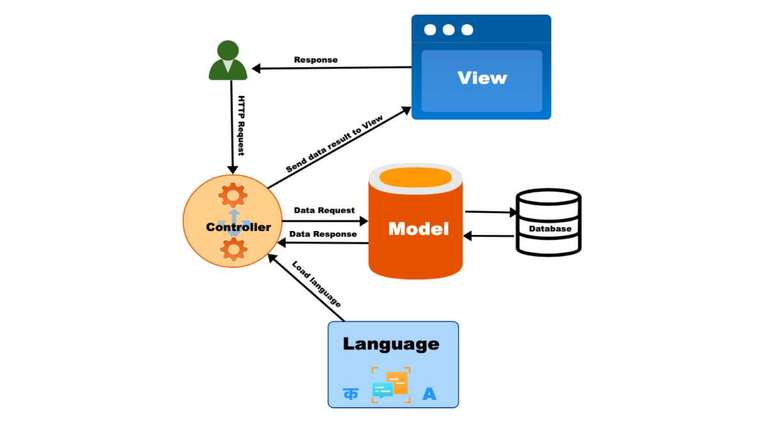
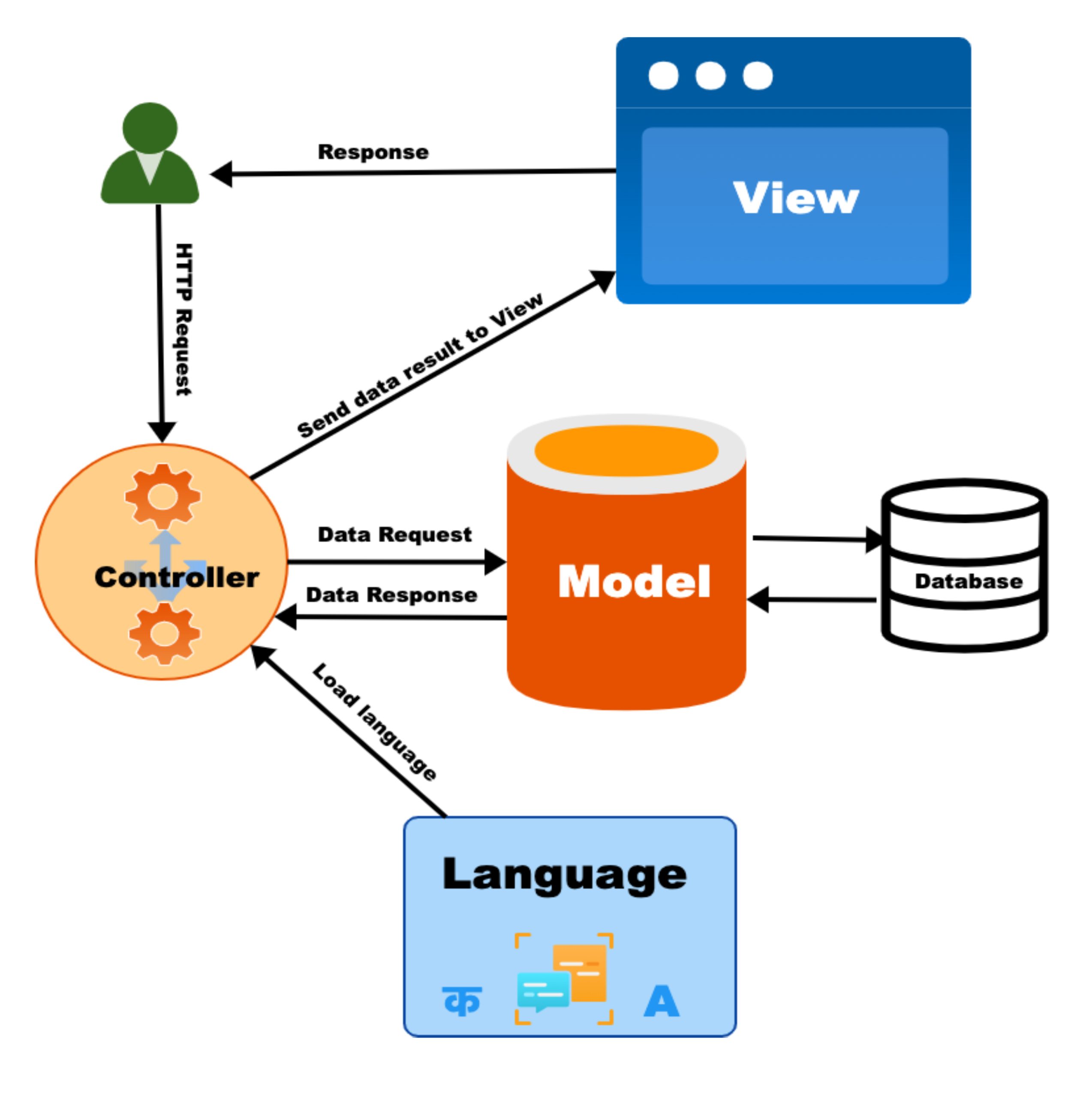
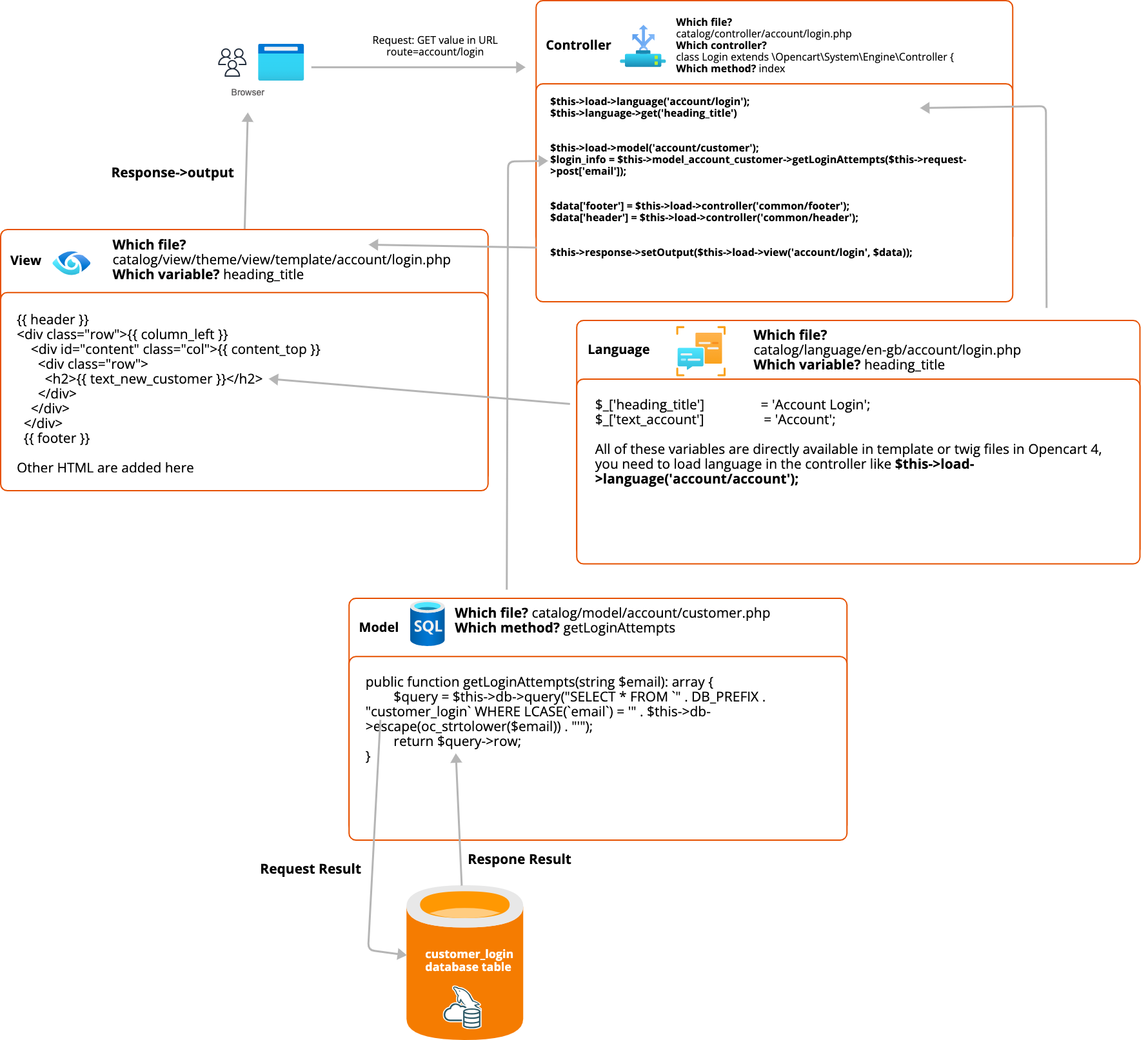
  • In-Depth System Loading Flow: Understand OpenCart MVCL initializes and loads its components, thoroughly explaining the core files and folder structure.
    MVCL opencart flow
  • Global Objects and Methods: Utilize OpenCart’s library of global objects and methods to streamline your development process.
  • Opencart Database Schema: Know about database schema and table structure to support multi-store, multi-language, and multi-layouts and know the model codes.
  • OpenCart Events: Master the event-driven architecture of OpenCart. Learn how to use and debug events for efficient customization.
  • Opencart OCMOD and VqMod: Get knowledge to code in OCMOD and VqMod XML and customize the Opencart core files without touching them.
  • Opencart 4 styles: Leverage the power of Bootstrap 5 for Opencart and how it is used in themes and modules.
  • Custom Theme Development: Discover how to create stunning, responsive themes which is also an extension using Bootstrap 5. Follow best practices and explore practical examples to build modern, user-friendly designs.
  • Custom Extensions Development: Gain expertise in building powerful extensions to extend OpenCart’s functionality. Learn to develop analytic extensions and other extensions like payment, shipping, order total, etc.
    Opencart MVCL
  • Opencart 4 Custom Page: Full details to create a custom page.
  • Opencart 4 Custom Language Extensions: Develop custom language extensions and localize your store.
  • Comprehensive API Documentation: Explore OpenCart’s API capabilities. Learn to test API endpoints using Postman and follow best practices for secure and efficient integration.
  • Multi-site Setup: Get step-by-step instructions for setting up and managing multiple stores with OpenCart 4.
  • SEO Best Practices: Implement strategies to optimize your OpenCart store for search engines, improving site speed, content, and structure.
  • Opencart 4 Speed optimization and security measures: Learn about steps to make your opencart load faster and learn to implement all security measures from the website level to the server level.
  • Pro tips and common errors and their solutions: Pro tips that can be useful during development and Errors and their solutions that we faced during development so you can see the solution we implemented.

Who Is This Book For?

  • Developers: Whether you’re a beginner or an experienced developer, this book provides valuable insights and practical examples to enhance your OpenCart development skills.
  • Store Owners: Gain a deeper understanding of how OpenCart works and how to customize it to suit your business needs.
  • E-commerce Enthusiasts: Anyone interested in e-commerce and online stores will find this book a valuable resource.

About the Author

Rupak Nepali is a seasoned software developer with extensive experience in e-commerce solutions, particularly with OpenCart. Known for his innovative approach to theme and extension development, Rupak has helped numerous businesses enhance their online presence. Beyond development, he is a prolific writer and educator, committed to sharing his knowledge and expertise with the global developer community.

Get Your Copy Today!

Don’t miss out on the opportunity to become an OpenCart expert. “OpenCart 4: Dev Resources & Tips for Theme and Extensions Development” is available now. Equip yourself with the skills and knowledge to take your e-commerce store to the next level.

Final Thoughts

Mastering OpenCart 4 can open up a world of possibilities for your e-commerce business. With Rupak Nepali’s comprehensive guide, you’ll have everything you need to succeed. Whether you’re customizing your store’s theme or developing new extensions, this book is your ultimate resource.

Order your copy today and start your journey to becoming an OpenCart 4 expert!

Automatically post new Opencart products on social media like Facebook for free

Today we are showing you how we can automatically post new Opencart products on social media with one free plugin that we developed and a free online tool like IFTTT. There are multiple online tools for automation but we are using IFTTT today.

First, install the Product RSS feed on your Opencart admin, download the Products RSS Feed for Opencart 4, install it and you will get URLs like the below:

Product rss feed Opencart

https://demo.webocreation.com/index.php?route=extension/webocreationproductsfeed/feed/productsfeed

Click for more details on how to install and set up Products RSS Feed for Opencart 4

Second step, go to IFFT.com and create an account then search for “RSS to Facebook”, then click one of the applets connect your Facebook and give access to pages.

RSS to Facebook IFFT

Once, you give access to Facebook pages to IFTTT(for a free account you can select only one Facebook page). Then you will see the settings page like below where you can add the Feed URL that you get by installing the module above and select the Facebook page account:

RSS to Facebook Opencart

Once you save the settings, your products are automatically posted on Facebook and that can look like below, where the post posted on facebook page shows “Published by IFTTT”.

Opencart facebook autoposted

Some other Automation Tools

Let’s take a look at some popular tools that can help you auto-publish your Products via RSS feeds:

1. Buffer:

  • Buffer is a widely used social media management tool. It offers RSS feed integration, allowing you to schedule product updates to multiple social platforms.

2. Hootsuite:

  • Hootsuite is another robust social media management tool that supports RSS feed integration. It enables you to manage and schedule products on various social networks.

3. dlvr.it:

  • dlvr.it is designed specifically for content distribution via RSS feeds. It offers customizable posting schedules and supports various social media platforms.

4. Zapier:

  • Zapier is an automation platform that can connect your RSS feed to hundreds of other apps, including social media platforms. It offers great flexibility in creating custom automation workflows.

Benefits of Auto-Publishing via RSS

Automating your Product sharing via RSS feeds comes with several benefits:

1. Time Efficiency: Save time by eliminating manual posting, allowing you to focus on creating content.

2. Consistency: Ensure that your products are shared consistently and promptly after publication.

3. Wider Reach: Reach a broader audience by sharing content across multiple social media platforms.

4. Improved Engagement: Engage your audience with real-time updates, encouraging interaction and discussions.

5. SEO Boost: Increased social media presence can positively impact your website’s SEO.

Conclusion

Auto-publishing your products to social media via RSS feeds is a powerful strategy to streamline your content distribution process. By selecting the right automation tools and configuring them to fit your needs, you can save time, enhance audience engagement, and expand your online reach. Embrace the world of automation, and let RSS feeds and tools do the heavy lifting, ensuring your products reach your audience efficiently and effectively.

In this way, you share your products automatically with the use of the Products RSS feed module for Opencart 4. Please let us know if you have any kind of projects, you can email us at webocreation.com@gmail.com. Hope you liked this free opencart module, please subscribe to our YouTube Channel and get more Opencart free extensions. You can also find us on Twitter and Facebook.