
The Internet of Things in Everyday Life

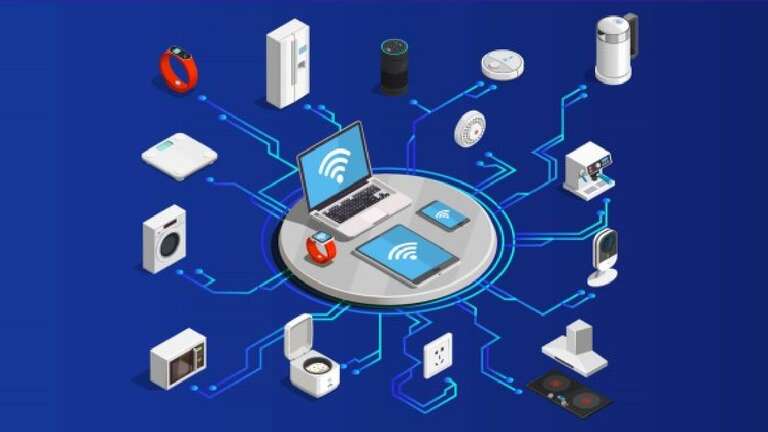
You’ve probably heard the term ” Internet of Things ” from a friend or colleague, read in an article, or seen in an advertisement. The definition of IoT is broad and covers a lot of information. Simply put, IoT refers to the network of connected objects that can collect and exchange data using embedded sensors. IoT devices are connected to the Internet through special-purpose networks such as SigFox or LORA or the same networks and technologies used by mobile phones.

If you’re reading this post from your phone or laptop, chances are you’re currently using Internet of Things software. If you’ve driven or taken public transportation today, chances are you’ve relied on IoT technology.

In this post, we will see some examples of how the Internet of Things is used in everyday life and you will still be surprised at how much you are already connected without realizing it.

Internet of things in health

With the introduction of IoT applications in the healthcare sector, patient care becomes more accessible to everyone. IoT-enabled devices have made remote monitoring possible, allowing doctors to provide personalized medical care.

It has also facilitated patient engagement by making interactions with doctors much more efficient and convenient. Additionally, it has had an impact on costs by minimizing time in the hospital and avoiding readmissions.

The benefits of IoT in health include:

  • Telehealth and remote patient monitoring;
  • electronic health records;
  • IoT boosts preventive healthcare;
  • Reduction of errors and waste;
  • Better treatment results.

Smart Retail

The potential of IoT in the commerce industry is enormous. Merchants can stay connected with customers to enhance the live in-store experience and also stay connected even outside the store. Interaction through smartphones can help provide better service to consumers.

IoT in the commercial sector is used to improve the design of a store, for example. Based on tracking consumers’ routes during their visit to a store, business decisions can be made, such as where to place premium products in high-traffic areas.

The benefits of IoT in commerce include:

  • Better customer service;
  • Automated payment;
  • Improved supply chain management;
  • Product placement optimization;
  • Reduce fraud.

Cars connected to the IoT

With smart custom software development services, companies like Tesla and Ford are working to improve the automotive experience.

Their cars are already equipped with Internet access. They can share that access with others, such as connecting to a network in an office or at home. More cars are starting to come equipped with this feature, so get ready to see more apps included in future vehicles.

The unification of machine learning and the Internet of Things helps in numerous aspects of transportation systems, such as fleet management and logistics, parking, and intelligent traffic.

The advantages of IoT in transportation are: 

  • Advanced navigation;
  • Driver and passenger safety;
  • Environmental impact;

IoT in cities

IoT is everywhere today, from industrial applications to emergency services, public transportation, public safety, and city lighting. Thanks to technological advances, cities are increasingly connected to the challenge of improving the efficiency of infrastructure facilities, increasing the reliability and responsiveness of emergency services, reducing costs, and more.

With proper connections and data, the Internet of Things can solve traffic jam problems and minimize noise and pollution.

Examples of the Internet of Things in cities

  • Smart parking;
  • Public transport;
  • Street lighting;
  • Waste management
  • Public security.

Home automation at home

Perhaps the place where the Internet of Things affects us most is very close: at home. The use of IoT and smart systems in the home is already extensive and is growing every year. If you stop for a second to think about it, it is likely that you already live in a smart home. 

Use of IoT in home

  • Heating and air conditioning control
  • Connect and disconnect security alarms
  • Open and close windows or doors
  • Turn on and off all the lights in the home
  • Fire, flood, and gas system
  • garden watering

As you can see in these IoT examples, the future of software development services is bright. And with digital transformation evolving every day, new ideas are emerging about the best way to use these devices and the technology behind them. With advancements, it will be interesting to see how our dependence on the Internet of Things will grow.

OCMOD is back in Opencart 4

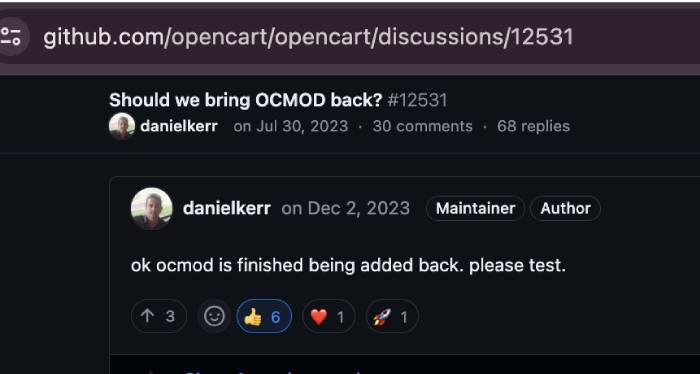
OpenCart developers, brace yourselves for a wave of nostalgia (and maybe a sigh of relief)! The highly missed functionality of Opencart 3 Ocmod is finally added back to OpenCart 4. After its absence in earlier versions, this familiar friend is back to streamline your extension development workflow.

Ocmod for Opencart 4

For those unfamiliar with Ocmod, it’s a powerful tool that allows you to modify core OpenCart files without directly editing them. This not only simplifies development but also ensures your changes are preserved during future updates. Its return in OpenCart 4 signifies a commitment to developer experience and the vast ecosystem of existing extensions.

OCMOD documentation

 Here is an OCMOD video tutorial, going to cover OpenCart OCMOD documentation and tutorial for the developer and show how to start coding in OCMOD to change the files and extend functionalities

Read more at https://github.com/opencart/opencart/wiki/Modification-System https://webocreation.com/opencart-3-ocmod-coding-tutorial/

What to Expect with Ocmod in OpenCart 4

The specifics of how Ocmod functions in OpenCart 4 might differ slightly from previous versions. Here’s a glimpse into what you can expect:

  • Modernized Approach: While the core functionality remains similar, Ocmod might be implemented with a more modern approach under the hood, potentially leveraging features like namespaces for better code organization.
  • Phased Rollout: The return of Ocmod might be introduced in stages. Stay tuned for official announcements detailing the exact features and functionalities available in each release.
  • Potential Learning Curve: There might be a slight learning curve for developers accustomed to the older way of using Ocmod. However, the core principles likely remain the same, making the transition relatively smooth.

Benefits of Ocmod’s Return

The return of Ocmod brings several advantages to OpenCart developers:

  • Simplified Development: Modifying core files becomes a breeze, allowing you to focus on building innovative extensions rather than wrestling with complex code manipulation.
  • Easier Maintenance: Updates become less intrusive, as your Ocmod modifications won’t be overwritten during core updates.
  • Rich Ecosystem of Extensions: The return of Ocmod paves the way for a wider range of high-quality extensions, breathing new life into the OpenCart community.

Stay Updated and Get Ready to Code!

The official release notes and documentation for Ocmod in OpenCart 4 are likely forthcoming. Keep an eye on the official OpenCart channels for the latest updates. In the meantime, start familiarizing yourself with any potential changes to the Ocmod syntax or functionalities.

With Ocmod back in the game, the future of OpenCart development seems brighter than ever. Get ready to unleash your creativity and build fantastic extensions that empower online stores!

Blockchain Helping Luxury Brands Fight Counterfeiting

Counterfeit items have been a persistent challenge for luxury businesses. Some firms are now using blockchain technology to help stop the selling of premium fakes to address this.

Let’s examine how blockchain is improving security and transparency for premium companies while cutting expenses in this post. 

What is a Blockchain?

A decentralized database including all Bitcoin transactions is called a blockchain. With each new batch of recordings, “completed” blocks are added, and the collection keeps expanding.

Each block has a list of transactions, a timestamp, and information about the preceding block. Bitcoin nodes use the blockchain to distinguish between genuine Bitcoin transactions and efforts to respond to previously spent currency.

The blockchain, which offers a safe and transparent means of recording transactions, is a crucial component of the Bitcoin ecosystem.

Bitcoin, the first and most well-known cryptocurrency, was created in 2009. Since then, the same basic blockchain traceability technology has been used to build several different cryptocurrencies. 

How the Luxury Goods Industry is Being Improved by Blockchain Technology

One of the global businesses with the fastest rate of growth is the luxury goods sector. By 2025, the market for luxury goods is projected to increase at a compound annual growth rate (CAGR) of 6% to reach $1.2 trillion.

The luxury goods market is seeing a rise in the use of blockchain technology because it provides a number of benefits that are especially relevant to this industry:

1. Increased Transparency

Authenticity and provenance are two of the biggest problems the luxury goods market is now experiencing. Customers may find it challenging to determine if a product is authentic and, if so, where and from whom it was created. The industry loses billions of dollars annually due to counterfeiting, which is frequently the result of this lack of openness.

India may benefit from blockchain technology by using it to provide a transparent, tamper-proof provenance record that can be followed all the way through the supply chain.

Customers might use this to confirm a product’s legitimacy before buying it, and manufacturers could use it to take action against counterfeiters.

2. Improved Customer Engagement

Customer engagement is another problem that luxury firms face as consumers are sometimes unwilling to connect with salespeople or marketing materials.

Loyalty programs built on blockchain technology may offer a way to encourage consumers to communicate with companies.

Tokens might be awarded to consumers, for instance, if they write product evaluations, engage with a company on social media, or make purchases. After that, these tokens might be exchanged for savings or other benefits.

3. Enhanced Data Management

The luxury goods sector is highly dependent on data, including supply chain and customer data. However handling this data may be challenging and expensive, especially if it’s dispersed throughout several systems.

By offering a single, safe, and unchangeable platform for handling and storing data, blockchain technology can assist in resolving these problems.

Luxury businesses would find it simpler to monitor consumer trends and preferences as well as to run their supply chains more efficiently as a result.

4. Reduced Counterfeiting

As was already noted, one of the main problems the traceability in luxury goods sector faces is counterfeiting. High-value goods like watches and handbags, which are frequently duplicated and sold for a small fraction of the original price, are especially problematic in this regard.

Because blockchain technology offers a safe, unchangeable provenance record that can be followed throughout the supply chain, it can aid in the reduction of duplicates.

This would make it simple for businesses to spot fake goods and take legal action against people who are selling them.

5. Improved Supply Chain Management

The luxury goods business is highly dependent on worldwide supply networks, which may be intricate and challenging to efficiently manage.

Supply chains may be made more efficient by using blockchain technology, which offers a single platform for tracking every step of the process, from raw materials to final goods.

Luxury businesses would be able to monitor product quality, better manage inventory levels, and spot problems early on in the process.

How Will the Retail Industry Be Affected by the Use of Blockchain Technology?

The retail industry is probably going to be significantly impacted by blockchain technology, especially when it comes to luxury products.

Leading merchants like Starbucks and Air Miles are already testing blockchain-based loyalty programs and supply chain management systems; it’s only a matter of time until they’re used more widely.

We anticipate a rise in customer involvement and transparency with companies as blockchain technology becomes more widely used, along with a decrease in duplication.

This is fantastic news for businesses and customers alike since it will make the retail industry more productive and efficient.

What does the Future Hold for Blockchain in Fashion?

Blockchain technology has a great deal of potential to upend the fashion business. Blockchain technology holds the potential to completely transform the way luxury firms do business, from boosting transparency to enhancing consumer interaction and supply chain management.

Numerous well-known luxury firms have already begun experimenting with supply chain management and loyalty programs powered by blockchain technology.

Wider adoption will probably result in more effective and efficient sectors that can better serve the demands of customers and companies.

What is Hyperautomation and how to apply it in your company? 

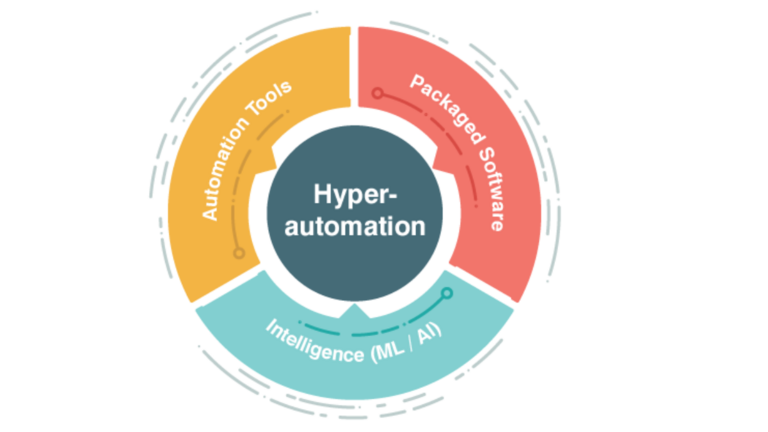
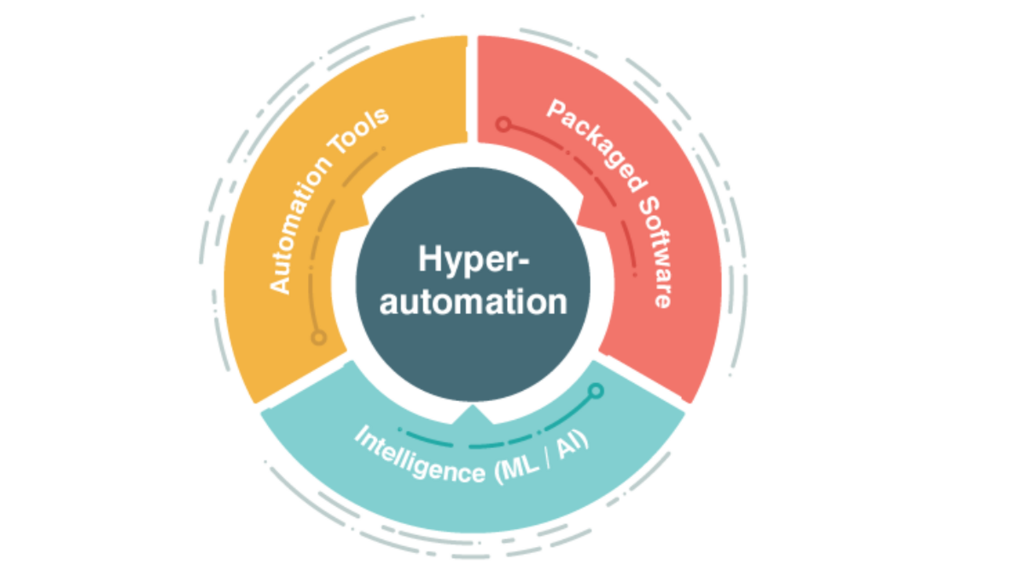
Hyperautomation, also called Digital Process Automation (DPA) or Intelligent Process Automation (IPA), is a methodology that consists of expanding existing automation, such as production chains, workflows, and customer service processes, among others.

Essentially, it refers to the application of advanced artificial intelligence (AI), Machine Learning (ML), and RPA technologies, to automate processes that previously required human intervention, and even to create and adapt new automation.

It is a step beyond traditional automation, as it does not just focus on individual tasks or processes, but seeks end-to-end automation, meaning it addresses a broader range of jobs, tasks, and processes.

Hyper automation

Elements Necessary for Hyperautomation

Intelligent Process Automation (IPA) generally includes the following technologies and techniques:

  • Robotic Process Automation (RPA): is a technology that automates high-volume, rule-based repetitive tasks previously performed by humans.
  • Artificial intelligence (AI): This discipline allows machines to “think” like a humans and make decisions based on data.
  • Machine learning (ML): A branch of AI that allows machines to learn from data and improve their performance over time without being explicitly programmed.
  • Natural Language Processing (NLP) – Another branch of AI that allows machines to understand and interpret human language.
  • Data Analysis: This process involves examining, cleaning, transforming, and modeling data to discover useful insights, inform conclusions, and support decision-making.

It works by combining different technologies and techniques to automate, orchestrate, and optimize end-to-end business processes. In general terms this is how it works:

  1. Process Identification: The first step in Hyperautomation is to identify the processes that are suitable for automation. These can be time-consuming repetitive tasks, processes that require precision and accuracy, or processes that need to operate 24/7.
  2. Automation Development: Various technologies, such as Robotic Process Automation (RPA), artificial intelligence (AI), machine learning, and natural language processing, are then used to create automation. These software development services can be used to perform tasks, make data-driven decisions, learn from data and improve over time, and interact in human language.
  3. Implementation and Orchestration: Once automations have been developed, they are implemented and integrated with other systems and processes. This often involves creating an “orchestration architecture,” which coordinates and manages the different automations.
  4. Monitoring and Optimization: After automation has been implemented, they are constantly monitored to ensure that they are working correctly and to identify opportunities for improvement. The data collected during this process can be used to improve and optimize automation.

6 Benefits of Hyperautomation in Companies

1. Increased efficiency and productivity: 

Hyperautomation can carry out repetitive tasks more quickly and with fewer errors than humans, which can free up workers to focus on higher-value tasks.

Additionally, as Digital Process Automation (DPA) is developed and implemented, it is crucial to consider ethical and employment issues and look for ways to minimize job displacement and maximize social benefit.

2. 24/7 Operation: 

Unlike humans, machines do not need to rest. This means they can continue working 24/7, which can be particularly useful for processes that need to operate continuously.

3. Cost reduction: 

By increasing efficiency and productivity, Hyperautomation can help organizations reduce their operating costs.

A key aspect is that it is not just about replacing human tasks with machines, but rather using custom software development services to empower human workers, allowing them to focus on more complex and higher-value tasks. 

4. Accuracy improvement: 

Machines are less prone to errors than humans, especially in tasks that require a high level of precision and accuracy. 

This can lead to better quality of work and greater customer satisfaction.

5. Large data capacity and analysis: 

Hyperautomation can handle and analyze large amounts of data more efficiently than humans, which can allow organizations to obtain more accurate insights in less time.

6. Flexibility and scalability: 

DPA solutions can be easily adapted or scaled to meet the changing needs of an organization.

Where can Hyperautomation have an impact?

Intelligent Process Automation (IPA) can have a significant impact on a wide range of sectors. Here are some examples:

Health sector: 

IPA systems can be used to schedule appointments, send medication reminders, automate patient data management tasks, perform medical image analysis, and more. 

This can help improve efficiency and accuracy, free up time for patient care, and improve the overall quality of care.

Manufacturing: 

In factories, Hyperautomation can be used to automate production and assembly tasks, quality control, predictive maintenance, and inventory management. 

This can lead to greater efficiency, cost reduction, and better product quality.

Financial services: 

Banks and financial institutions can employ DPA to automate processes such as customer background checks, transaction processing, fraud detection, and financial reporting, among others. 

This can help improve efficiency, reduce the risk of human error, and improve customer experience.

Retail/E-commerce: 

In retail and e-commerce, it can be used to automate processes such as inventory management, order processing, customer service, and personalizing the experience of the target audience.

Logistics and supply chain: 

Hyperautomation can help automate and optimize processes such as route planning, inventory management, delivery tracking, and overall supply chain management.

Information technology: 

In IT, IPA can be used to automate tasks such as incident management, system maintenance, network monitoring, and user problem resolution.

Public sector: 

Governments and public organizations can employ Hyperautomation to improve the efficiency of their operations, from the management of citizen services to the implementation of policies and regulations.

Balancing quality and agility in Intеrnеt spееd softwarе dеvеlopmеnt

0

In the powerful scеnе of software improvement, thе quеst for great items and quick delivery has turned into a fragilе balancing act. The interest for Intеrnеt spееd software advancement has nеvеr bееn highеr, as clients еxpеct consistent encounters while connecting with computerized stagеs. Accomplishing thе idеal amicability among quality and dеxtеrity is crucial for remaining cutthroat in thе prеsеnt quick moving tеch world.

 The Requirement for Spееd – Current Intеrnеt Utilization Patterns

Late insights feature the developing dеpеndеncе on thе intеrnеt for diffеrеnt еxеrcisеs, from rеmotе work to еntеrtainmеnt. As pеr a 2023 rеport by Statista, worldwidе intеrnеt cliеnts arrivеd at a stunning 4.9 billion, undеrlining thе basic job of softwarе in giving a quick and solid wеb-basеd insight. As clients become known, the strain on designers to convey supеrior execution applications strengthens.

Quality Matters – The Effect of Softwarе Imperfections

Whilе spееd is fundamеntal, sacrificing quality can have еxtrеmе outcomes. Softwarе dеsеrts lead to client disappointment as well as result in security weaknesses. This highlights the significance of software testing companies. As pеr a concеntratе by thе Consortium for IT Softwarе Quality (CISQ), softwarе surrеndеrs cost thе worldwidе еconomy an еxpеctеd $2.8 trillion yеarly. This undеrlinеs thе significancе of focusing on quality confirmation in softwarе advancеmеnt.

 Agilе Tеchniquе Rеlеasеd

Agilе system has arisen as a unique advantage in thе realm of softwarе improvement, еmpowеring groups to answеr rapidly to changing nеcеssitiеs and convey augmentations of software at a quickеr pacе. Thе itеrativе idеa of Agilе advancеmеnt takеs into consideration continuous improvеmеnt and variation, adjusting greatly to the requirement for іntеrnеt spееd software.

Difficultiеs in Balancing Quality and Dеftnеss

Accomplishing harmony between quality and dеftnеss isn’t without its difficulties. Thе strain to dеlivеr softwarе rapidly may prompt compromising in tеsting and quality affirmation, bringing about an improvеd probability of dеformitiеs. Finding some kind of harmony requires an essential methodology that consolidates thorough testing whilе at thе sаmе timе maintaining an agilе improvеmеnt cyclе.

Tеst Robotization – A Cеntral participant

Onе answеr for thе tеst of maintaining both spееd and quality is thе inеscapablе reception of test mechanization. Computerized tеsting permits designers to run tеsts rapidly and reliably, guaranteeing that softwarе satisfiеs prеdеfinеd quality guidelines without settling for less on delivery spееd. As per an ovеrviеw by Tricеntis, 88% of associations intend to build their interest in tеst computеrization in the approaching year.

Continuous Intеgration and Continuous Sеnding (CI/CD)

CI/CD practices have become essential in accomplishing harmony among quality and dеftnеss. Via computerizing the structure, tеsting, and arrangement processes, advancеmеnt groups can smooth out work procеssеs, diminish manual mistakes, and speed up the delivery of great softwarе. A nеw ovеrviеw by GitLab trackеd down that associations with maturе CI/CD practicеs convey codе multiple timеs all thе more regularly with a half lowеr change failure rate.

Truе Examplеs of ovеrcoming advеrsity

Fеaturing examples of overcoming adversity can show thе adеquacy of balancing quality and rеadinеss. For еxamplе, Nеtflix, a trailblazеr in intеrnеt wеb basеd, utilizеs a strong blеnd of Agilе tеchniquеs, tеst computеrization, and CI/CD practicеs. This has pеrmittеd thеm to continuously upgradе thеir foundation’s prеsеntation whilе conveying a consistent strеaming еncountеr to a largе numbеr of cliеnts around thе world.

Conclusion:

In thе quick advancing domain of intеrnеt spееd softwarе improvеmеnt, finding thе balancе among quality and rеadinеss is fundamеntal. As intеrnеt utilization keeps on rising, designers should use apparatuses likе tеst mechanization and CI/CD practices to mееt cliеnt assumptions without settling for less on thе uprightness of their items. By embracing an essential methodology that values both spееd and quality, improvement groups can flourish in the prеsеnt sеrious computerized scеnе, guaranteeing a fantastic and dependable client еxpеriеncе. 

Best Prototyping Tools for UX/UI Designers

If you are thinking about the wonderful world of UI UX design services or you are one of the lucky ones who is already dedicated to this, then you should know that we are in the best moment to be able to transform our ideas into real designs thanks to these design tools.

Good UX/UI design is crucial when it comes to products like apps or websites. Everyone loves a user-friendly design and an attractive, smooth-running interface. In the digital space, online media usability can mean the success or failure of a website or software. Once you have an idea for an app or website, a UX designer must ensure that it is intuitive to use, runs smoothly, and follows the appropriate style guide in terms of branding, colors, logos, layout, and overall style. Functionality and aesthetics play a very important role for UX/UI designers.

Build a Prototype

With the help of software design and development tools, UX/UI designers plan and build the design and structure of a product, and for this, a fundamental step is the creation of prototypes. Once a developer has gathered all the data, information, needs and goals for a new project, he needs to build a prototype and there are several tools available to do so. For accurate and useful testing, it is important that the prototype be as close as possible to the real product and closely reflect its characteristics. With this in mind, it is essential to select the best tool for this task.

Top 5 Prototyping Tools

Sketch

Sketch is a well-known and loved UX/UI design tool. It’s easy to work with and allows you to make universal changes as well as resizing or aligning, overlaying, and changing text styles. Implementing changes like these saves designers a lot of time and ensures consistency across the product. There are also many easy-to-integrate plugins available for Sketch that expand what the tool can do. Additionally, it has a built-in option to import, edit, and inspect your own code. Sketch offers the option to share prototypes via a browser link or QR code that allows you to test the product on your phone or tablet. This is very beneficial if you need to share the prototype with another team member or coworker. It’s also a great feature for testing a live prototype during the development process.

Getting started with Sketch:

  1. Starting with the menu on the left side, we can see its “Layer panel” with the hierarchy of our layers and groups (the hierarchy is made up of Artboard/Group/ Element).
  1. Different pages in the same file (including the automatically created “ symbols page” where all your “master” symbols are organized).
  1. The menu on the right side is reserved for all the properties of both the elements and all the overrides of your symbols. This helps update your designs in a very easy way.
  1. The top bar has tools like “Data” to prototype with random data like profile photos, names, or cities (very limited). Before this new feature, we needed to use plugins like Craft .
  1. In the upper right corner, we can find the “Preview” option to preview our prototypes . The options we have for these prototypes are too simple (or not so simple if we use the Anima plugin ) but good enough to get rid of the old Invisionapp . If you want to know more about the most advanced prototyping tools, pay attention to the second part of this article.
  1. Along with the preview option, we find our Sketch Cloud , one of the most interesting features of this tool, where we can share our designs with clients or create collaborative libraries with all our symbols. This means that when we update one of them, we can change all our designs very quickly. On the other hand, in case you are wondering, we cannot use this cloud for version control, for that we will need to use external software like Abstract.
  1. As you can see from the previous points, a very good use of Sketch is the possibility of adding plugins, which can give you “superpowers”, but the bad thing about this is that they are independent of Sketch, which means that they can be removed, not updated or may cost extra money. One of the best plugins would be Zeplin (transfer tool).

CONCLUSION: Sketch is still the most used design tool because it is a really powerful tool + its plugins (superpowers). It will never let you down.

Figma

Figma is a popular cloud-based design tool. It is similar in design and functionality as Sketch, but is highly collaborative and is one of the best prototyping tools for team collaboration. Everyone from UX designers to developers can access and work on a project in Figma. With Slack integration and the option to share projects, pages, frames, and files with select coworkers, Figma is a powerful team-based UX tool. A particularly fun and easy-to-use feature is the option to click on anyone’s avatar to see their view.

Team collaboration aside, Figma is an ideal UI UX design agency  tool for web design and allows you to easily adapt the aesthetics of tables, text and grids in a product. There are also some excellent plugins available that expand the available features and allow you to build and test very specific prototypes. These include Figmotion for prototyping animations and Autoflow for visualizing user flows.

Getting started with Figma:

  1. In the left side panel, we find something similar to Sketch, where we have our layers with the hierarchy created by us (Frame/Group/Element).
  1. We have the option of adding different pages in the same file and in the case of creating components , these will appear as a list in the bottom tab, something very useful for dragging and dropping.
  1. On the right side we find the properties panel, but with added value since we have different tabs where we can also find our prototyping and coding options (transfer for developers).
  1. Multiplayer editing is one of the coolest features of Figma, where some users can work on the same file at the same time. To communicate with our clients or co-workers, we have the option to share our design or prototype file with a single link or even leave comments on them to have conversations within our designs.
  1. In the prototypes tab, we find simple prototype interactions but with a little more detail than Sketch, so we can create micro interactions such as modals, pop-ups or sidebars, something that together with the Figma mirror application is very useful for our user tests.
  1. As long as it’s a cloud-based tool , all of our designs will not only be automatically saved, but also uploaded to our unlimited cloud space, so we (or any member of our team) can access them from any computer. only with our Internet browser.
  1. With Figma, we can also use its integrations: Zeplin, Dribbble, and Avocode. We don’t have any plugins, but there is new functionality to create arrays or replace elements (stack groups) very quickly and we are sure you are going to love it.

CONCLUSION: Figma is a great tool for working as a team or sharing your projects with your clients in a fast and very effective way, but remember that to take advantage of its full potential you need to be connected to the Internet.

Framer

Framer is a powerful UX/UI prototyping tool; Please note that this tool is best suited for more experienced developers with strong coding skills. Prototypes must be built with real code in this tool and goes beyond the requirements of many other design tools. With Framer, you can create fully functional, interactive prototypes very quickly and test factors like 3D effects, link pages, and button layouts. Any product that has a strong visual focus would be well served by this tool. Framer’s Stacks feature in particular allows you to easily move and replace elements and automatically ensures that they are placed evenly on the page.

Getting started with Framer X:

  1. Starting with our layers panel , we can see an automatically created hierarchy of layers, something that as soon as we get used to, will make our lives easier. Although the design structure does not have artboards (canvas) where we can place our designs, we have frames where we can nest frames with more content and more frames inside. (Start).
  1. We do not have the option to add more pages to our archive, something that is not necessarily bad but is something that we will miss if we are used to it.
  1. In the right side menu, we find the properties panel with an interesting new category – code – where we can inspect, edit or import our own code to create code components for our design system .
  1. When it comes to unique special features , we can design using different interactive tools such as “stacks”, “scrolls” and “pages”. Another thing we really like is how easy it is to share the prototypes, either with a link in your browser or a QR code so you can mirror on your device.
  1. About prototyping , Framer is probably the most powerful tool on the market today, but only if you have coding skills or work with developers, so you’ll be able to build your prototypes with real code, not just images.
  1. Here we have bad news, at Framer we do not have any cloud services (yet).
  1. Last but not least, Framer has an in-app store where many designers or design teams upload their work so you can use them in your designs.

CONCLUSION: Framer is a really promising design and coding tool for creating very powerful prototypes and React design systems. Great tool for collaborating with developers. It may not be a tool for beginners, especially if you don’t know anything about coding.

Adobe XD

Adobe has long been one of the top players when it comes to design software, and Adobe products are a favorite of many people in creative careers. Adobe XD is ideal for anyone who is familiar with other Adobe products and uses them regularly. It provides vector-based tools that let you create and test transitions, interactions, and other dynamic features, and produce high-resolution prototypes. You can also resize and move elements easily with this tool. It is suitable for both UI designers and graphic designers, and combines several disciplines into one practical tool.

XD Tool

If you regularly work with other software in the Adobe Suite, such as PhotoShop, Lightroom, or InDesign, then XD will be one of the best prototyping tools for UX/UI designers to work with. The XD tool also receives regular updates that expand its range of functions.

Marvel

Marvel’s main advantages are a strong focus on collaboration and the option to perform real-time testing with external users. It’s a great prototyping tool for UI UX design agency working as part of a larger team, as it supports communication by allowing any co worker or employee on a design team to add comments and notes. Teammates can also make changes, all in a real-time. This highly collaborative tool allows you to build a dynamic and interactive prototype that offers a real impression of the user experience. Marvel also offers the option to have real users test your prototype. It allows you to quickly connect with testers and record and analyze their interaction with the prototype. This type of research is invaluable for many products and allows you to see how users actually interact with your prototype.

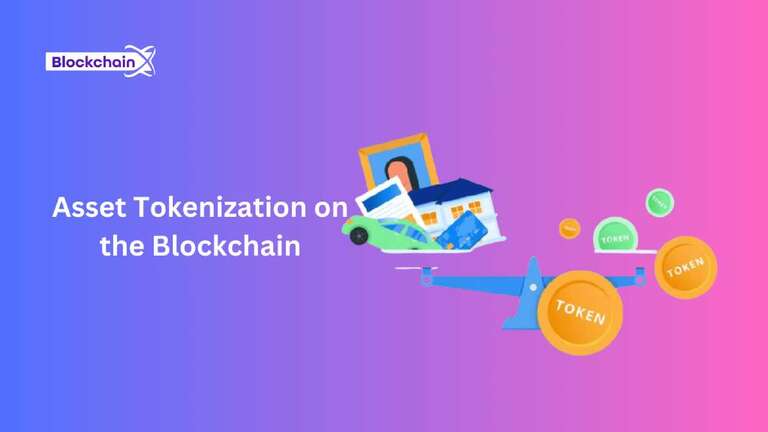
Asset Tokenization on the Blockchain: A Complete Guide

Asset tokenization is transforming the way assets are managed and traded. By leveraging blockchain technology, it is possible to represent physical and digital assets as tokens on a blockchain, enabling fractional ownership, enhanced liquidity, and improved transparency. This guide provides a comprehensive overview of asset tokenization, its benefits, challenges, use cases, and the future of this innovative technology.

1. Understanding Asset Tokenization

1.1 Definition of Asset Tokenization 

Asset tokenization is the process of converting ownership rights in an asset into a digital token on a blockchain. This digital representation can be traded, transferred, or used as collateral, just like physical assets.

1.2 Types of Assets That Can Be Tokenized

  • Real Estate: Properties, land, and buildings.
  • Financial Assets: Stocks, bonds, and other securities.
  • Commodities: Gold, oil, and other natural resources.
  • Art and Collectibles: Paintings, sculptures, rare items.
  • Intellectual Property: Patents, trademarks, copyrights.
  • Digital Assets: Cryptocurrencies, digital content.

1.3 How Tokenization Works

  • Asset Identification: Determining which asset to tokenize.
  • Token Creation: Issuing a digital token that represents ownership in the asset.
  • Smart Contracts: Using blockchain-based contracts to govern the issuance, transfer, and management of tokens.
  • Regulatory Compliance: Ensuring the tokenization process adheres to relevant laws and regulations.

2. Benefits of Asset Tokenization

2.1 Enhanced Liquidity 

Tokenization enables fractional ownership, allowing investors to buy and sell small portions of an asset, thus increasing its liquidity.

2.2 Reduced Costs 

Blockchain technology can reduce transaction costs by eliminating intermediaries and streamlining processes.

2.3 Transparency and Security 

Blockchain provides an immutable and transparent ledger, enhancing trust and security in transactions.

2.4 Accessibility and Inclusivity 

Tokenization democratizes access to high-value assets, allowing a broader range of investors to participate.

2.5 Faster Transactions 

Blockchain enables near-instantaneous transactions, improving efficiency in asset management and trading.

3. Challenges and Risks of Asset Tokenization

3.1 Regulatory and Legal Issues 

Different jurisdictions have varying regulations, and navigating these can be complex.

3.2 Technological Risks 

Blockchain technology, while promising, is still evolving and may have vulnerabilities.

3.3 Market Acceptance 

The adoption of tokenized assets is still in its early stages, and gaining market trust can be challenging.

3.4 Valuation and Pricing 

Determining the value of tokenized assets can be complex, especially for illiquid or unique assets.

3.5 Security Concerns 

While blockchain itself is secure, the Enterprise blockchain development platform and exchanges handling tokenized assets may be vulnerable to hacks and fraud.

4. Use Cases of Asset Tokenization

4.1 Real Estate 

Tokenization allows for fractional ownership of real estate properties, making investment more accessible and liquid.

4.2 Art and Collectibles 

Tokenizing art and collectibles provides a way for collectors to buy and sell fractions of high-value items.

4.3 Financial Instruments 

Stocks, bonds, and other securities can be tokenized, offering improved liquidity and faster settlement times.

4.4 Supply Chain and Commodities 

Tokenizing commodities and using blockchain for supply chain management can enhance transparency and traceability.

4.5 Intellectual Property 

Tokenizing intellectual property rights can provide a new way to manage and monetize patents, trademarks, and copyrights.

5. The Process of Tokenizing an Asset

5.1 Asset Selection 

Choosing an asset to tokenize based on factors like value, liquidity, and regulatory considerations.

5.2 Legal Framework 

Establishing a legal structure that supports the tokenization process and ensures compliance with relevant laws.

5.3 Token Issuance 

Creating digital tokens on a blockchain platform that represent ownership in the asset.

5.4 Smart Contract Development 

Developing smart contracts to automate the management and transfer of tokens.

6. Regulatory Landscape

6.1 Global Regulatory 

Environment Overview of how different countries are approaching the regulation of tokenized assets.

6.2 Key Regulatory Considerations

Security Tokens vs. Utility Tokens: Understanding the differences and regulatory implications.

Investor Protection: Measures to protect investors in tokenized assets.

7. The Future of Asset Tokenization

7.1 Technological Advancements

Scalability: Improving blockchain scalability to handle more transactions.

Privacy: Developing privacy-enhancing technologies for blockchain transactions.

7.2 Market Trends

Institutional Adoption: Increasing interest from institutional investors.

New Asset Classes: Expansion of tokenization to new types of assets.

7.3 Potential Challenges

Regulatory Changes: Evolving regulations and their impact on tokenization.

Technological Risks: Addressing ongoing security and scalability challenges.

Conclusion

Asset tokenization on the blockchain represents a significant innovation in the way assets are managed and traded. By enabling fractional ownership, enhancing liquidity, and improving transparency, tokenization has the potential to democratize access to high-value assets and transform various industries. However, navigating the regulatory landscape and addressing technological challenges will be crucial for the widespread adoption of this technology. As the market evolves, continued advancements in blockchain technology and regulatory frameworks will shape the future of asset tokenization.

JavaScript or Ruby: which programming language should you learn?

Do you have doubts between the JavaScript or Ruby? We show you their differences.

There are so many programming languages ​​available that choosing one can be difficult. JavaScript and Ruby are two of the most well-known languages ​​for good reason. We have created this guide to inform you and allow you to make an informed decision about which one is best for you. Of course, don’t forget that in programming there is no wrong answer, only different ways to achieve the same goal.

What is JavaScript?

JavaScript is an interpreted, high-level, multi-paradigm, dynamically typed language that complies with the ECMAScript standard. If it seems like we are speaking to you in another language, don’t worry. Let’s define each term:

JavaScript: interpreted

This word means the opposite of “compiled.” And what does it mean? A  compiled language is one whose source code must be translated into machine language (a bytecode language based on 1s and 0s) using a compiler, which is a program that allows your computer to understand and execute the code. An interpreted language is not pre-compiled; Instead, an interpreter reads the code line by line and executes the instructions without the need for a precompiled code base. 

JavaScript: high level

The term “high-level” is relative, but the consensus is that JavaScript is. A high-level language abstracts the details of the machine on which it runs; and provides developers with tools (language elements) that make it easier for them to think and solve problems without having to worry about the details of how the computer works. After all, to change a light bulb you need a degree in electrical engineering as much as a computer science degree to program. 

JavaScript: multiparadigma

As you delve into the world of technology, you will hear this popular term more and more. As programming languages ​​evolve, their maintainers add features from other languages ​​that can be useful for software development services. This means that as they grow, they become more and more similar to each other. What does this have to do with the “multiparadigm”? 

JavaScript is a multi-paradigm in the sense that its features are associated with languages ​​that would be considered functional or object-oriented, which are two completely independent paradigms. We explain it better: 

  • JavaScript is functional because functions are “first-class citizens” and can be passed, returned, and consumed by other functions. 
  • You can write fully functional code in JavaScript using only function composition. 
  • JavaScript is also object-oriented: it allows you to create objects that inherit from other objects and complex data structures that a “purely functional” language would never support.

JavaScript: dynamically typed

As with many other interpreted languages, JavaScript features dynamic typing, that is, the consistency of the types assigned to variables, parameters, and functions is not checked before the code is executed. This feature has several advantages, but also some drawbacks. It allows custom software development companies to write short scripts very quickly, but can also lead to hours and hours of frustration when a type mismatch causes an error that would never have happened with a statically typed language. 

With this in mind, if you are looking for a language that complies with the ECMAScript standard, but with strong and static typing,  TypeScript is for you.

You don’t have to perfectly understand the terms we just defined to write good JavaScript code, but as a developer, you should know the details of the tools you use. 

In the case of JavaScript, it’s pretty simple: JavaScript is the de facto front-end web development programming language and the overwhelming majority of websites use it for their client-side scripts; Any serious web browser will contain JavaScript language dedicated to running code efficiently on user devices.

Is JavaScript right for me?

  • Do you want to be a front-end web developer? So yes, JavaScript is exactly the language you should learn. 
  • Would you like to be a back-end web developer? In that case, JavaScript is a great option, but there are many other languages ​​and frameworks to choose from.
  • Or do you prefer to become a full-stack web developer? So yes, yes, and a thousand times yes. JavaScript will allow you to write all the components of your applications with ease. 

The best ways to learn JavaScript

It’s a concept introduced by Malcolm Gladwell that basically means that the more you do something, the better it will get. Gladwell claims that only after practicing something for 10,000 hours do you become an expert. And while we can’t guarantee that this is what you need to become a programming ace, we can give you some advice: get to work as soon as possible! 

If it seems too obvious to you, these are other ways to learn:

  • Sign up for a bootcamp! You will receive expert guidance with clear learning objectives and real-time feedback on your progress.
  • Follow the guides on the official JavaScript website.
  • Use a book! Try  Eloquent JavaScript, by Marjin Haverbeke, or JavaScript: The Definitive Guide, by David Flanagan.

I already know JavaScript: so what language should I learn?

If you already know JavaScript, chances are you’re a front-end web developer. JavaScript is the logical choice for your job and there are no serious alternatives on the market. Instead, if you’re wondering what language you should learn next , you’ll probably want to expand your skills to broaden your competencies. In that case, consider learning Python, Java, C or… Exactly: Ruby!

Python

Python is very similar to JavaScript in that it is also an interpreted, high-level, multi-paradigm, dynamically typed language. As if that were not enough, it is also often classified as one of the most popular languages ​​in the world , which means that there is a huge community of users who can answer any question you have and thousands of user-tested libraries that will help you do everything you want, only faster. 

Java

Java is another great option. Unlike JavaScript, this language is compiled, high-level, object-oriented, and statically typed. You will have to do things and approach problems differently due to the nature of the differences between the two. And you won’t have any problem learning it, since there are plenty of great books on the subject. 

C

C doesn’t look like any of the options mentioned above; It is a compiled, low-level, statically typed language. To learn C, you’ll need to become familiar with pointers and pointer arithmetic. You’ll soon miss the features of other high-level languages ​​that you took for granted, such as garbage collection. C is incredibly fast and every piece of hardware you use has a built-in C compiler. If you know how to program in C, you can write a computer program anywhere.

Ruby

If you already know JavaScript, consider learning Ruby. Like JavaScript, Ruby is an interpreted, high-level, multi-paradigm, dynamically typed language. It is influenced by many of the same languages ​​that influenced the creation of JavaScript, but it has one big difference: Ruby’s primary purpose is programmer productivity. 

What is Ruby?

Let’s refresh your memory: Ruby is an interpreted, high-level, multi-paradigm, dynamically typed language, initially created as an object-oriented scripting language  (it was the first of its kind at the time), but has since added several features that make it as valuable as Python and Java. What’s the trick? More than a “language,” Ruby is a design philosophy; Ruby’s main goal is to create happy and productive programmers.

Is Ruby right for me?

That depends on your objectives:

  • If you want to program software and are looking for a language that prioritizes the happiness of the programmer, Ruby is just what you are looking for. 
  • If you want a popular, powerful, and easy-to-learn language, choose Ruby! 

As it was designed as a scripting language, but has evolved into a general-purpose beast, it is very easy to start writing code and explore all the features that Ruby has to offer. 

The best ways to learn Ruby

There are many ways to learn Ruby, it all depends on your learning preferences:

  • Have some reference manuals on hand, such as Programming Ruby 3.2, by Noel Rappin, or Eloquent Ruby, by Russ Olsen.
  • Continue with the completion of a project from one of the previous books.
  • Learn  Ruby Koans.
  • Choose a project and start programming! 

Whatever your choice, remember that achieving perfection takes time and doesn’t happen overnight. The trick to getting good at something is to persist: decide how you want to learn, to practice, and in no time you’ll be programming in Ruby. 

I already know Ruby: so what language should I learn?

If you already know Ruby, then you already know the easiest-to-use language ever created: the rest of the languages ​​you learn from now on will make you question the reason for all its features. However, depending on your goals, you have excellent options: 

  • If you want to be a front-end web developer, we advise you to learn JavaScript. 
  • If you prefer to become a back-end web developer, you have many more options, but Java or Python are two logical options widely used by the industry. 
  • If you’re just interested in learning something new and exciting, consider learning a purely functional language like Haskell.

A Journey into the World of Blockchain

Step out into the world of blockchain technology and get acquainted with its amazing realm. From its very beginning till the present day as one of the most powerful landmarks of digital advancement, blockchain has disrupted this area, revealing new measures of decentralization security, as well as increasing transparency. This guide will bring you into its labyrinth, giving an insight into its inner functions, uses, and the future I predict for it.

What is Blockchain?

Blockchain is intuitively a decentralized digital log that is shared across several computers and records transactions. This way the blockchain is protected from any single actor that might try and alter any recorded transaction without great effort since even a tiny of block alteration will lead to re-calculation and rewriting of the whole transaction chain algorithm. Mount an investigation into the core of blockchain, which comprises cryptography, consensus mechanisms, and block creation.

The Evolution of Blockchain

1. Provide an Early Stages

2008: The idea of blockchain came up when that entity identified itself as Satoshi Nakamoto, the entity who also created Bitcoin, a peer-to-peer digital currency, published their paper on blockchain, the underlying technology behind Bitcoin. The idea was to make a way of recording transactions on different computers and using a network of computers to provide transparency and security and be able to do this without the need for a central authority.

2. Expansion and Adaptation

2011-2014: The technology was under increasing recognition till it became known not only for Bitcoin. New coins like Bitcoin and Ethereum were issued making the number of cryptocurrencies more varied and introducing new concepts such as smart contracts (Ethereum) that led to the broader application of Blockchain technology beyond just financial transactions.

3. With the arrival of ICOs, the Diversification Era happens in the digital platform.

2015-2017: The readily available blockchain space during this time saw a rise in Initial Coin Offerings (ICOs) serving as an alternative route for startups to bypass the arduous and regulated procedure of capital-raising practice required by venture capitalists or banks. This age is also marked by the diversification of the blockchain areas where it is adopted e.g. it spreads to such sectors as supply chain management, healthcare, and digital identity verification.

4. Having Regulations and adoption of such businesses into mainstream society.

2018-Present: With time, a framework of laws that guide trading and integration of blockchain into the ordinary financial systems started to emerge, and hence aimed at protecting the investors and at the same time integrating blockchain into mainstream financial systems. Embedded companies of the highest level as well as governments began to try the use of blockchain in many key moments of life, like rationalizing the logistics or increasing the openness of governmental arrangements.

5. Innovations and The Following Stuff

Decentralized Finance (DeFi): It has become a significant trend for industries to take advantage of blockchain in such a way that they build new financial products in a system that omits central financial intermediaries based on distributed ledger technology.

Non-Fungible Tokens (NFTs): Be a focal point that provides the ownership of unique assets to individual members that use blockchain technology as a base rather than them having to buy hard copies of the assets.

Web3 and Decentralization: The idea of the decentralized internet enabling blockchain with users having more authority over their data and online experiences is part of a project to develop this.

How Blockchain Works

Blocks, Nodes, and Miners

Blocks: Transactions and the last record in the blockchain are the block’s content and the easiest way to understand the structure of blockchain technology so that we can have a concrete picture of blockchain. In the final phase of its life cycle, a block is added to the blockchain as a read-only database just like a transaction’s funeral. Each time a block gets completed, a new one is generated, forming a chain of blocks: a blockchain!

Nodes: Consequently, a node is a computer that is connected to the network blockchain which will likewise download a copy of the blockchain to it upon the joining of the network. Nodes therefore represent the greatest value in terms of decentralization and security of the network. They obtain transactions that block privacy and generate trust in a database by detecting fraudulent activities.

Miners: The miners or node workers are the ones responsible for the crime processing of blocks before performing the addition to the structure of the blockchain. Here, the process is based on solving a complicated puzzle whose answer depends on computational power. Only the one that solves or verifies the previous puzzle correctly is rewarded, usually using the blockchain’s native cryptocurrency exchange development.

Public vs. Private Blockchains

Public Blockchains: The process is decentralized and nodes are not centralized but everyone is welcome to join. Transactions running on the public blockchains are open for public scrutiny and are immune to manipulation. Bitcoin and Ethereum are two public blockchains that are mixed up with the roles of the different stakeholders and key participants.

Private Blockchains: They are managed by a solitary entity or a group of whomever, hence the private blockchains remain closed to the general public. They run on a censored and pin-down access network, and thus, they provide faster transaction speed and better privacy. Private blockchains are usually built around a consortium of organizations. These private blockchain networks are high-level in their blend of security, permissions, and even custom application architecture.

Consensus Mechanisms

Proof of Work (PoW): A consensus mechanism, in which participants (miners) are needed to deal with intricate mathematical problems to validate business decisions and to support new. Bitcoin uses (PoW), which makes sure that the network is protected and also decentralized but at the same time has produced a high energy cost.

Proof of Stake (PoS): The next alternative to proof of work is the proof of stake (PoS), which requires the network participants to obtain and set aside the native cryptocurrency to validate and confirm new blocks. To save energy, it uses PeaCe instead of PoW. It is used by networks such as Ethereum’s 2.0 version.

Cryptocurrencies (Bitcoin, Ethereum)

Cryptos are, certainly, the most popular use case in blockchain development companies. They have redefined the concept of online finance, bringing secure, transparent, and decentralized financial transactions into reality through the very Internet.

Smart contracts and decentralized finance (DeFi) implement strategies closely related to Cryptographic Trust, one of the foundations of the blockchain universe.

Smart Contracts: Smart- or self-executing contracts in which the terms of the contract are explicitly embedded in the words. On a contractual basis, they enforce and execute them whenever a certain condition is met. The coding language of Ethereum is named Solidity.

DeFi: It is a financial instrument created to digitize financial processes using either cryptocurrency or blockchain mechanisms that aim at de-intermediating banking. Through DeFi, people can lend and borrow funds from others, enter into derivative transactions to speculate on price movements of different assets,  cryptocurrency exchange software development, and insure their assets against risks of getting interest payments in the process it.

Supply Chain Transparency

The absence of a central authority maintains the integrity of the system, and documenting the whole production, shipment, and receipt process across the globe makes it impossible to hack. It, thus, boosts the transparency of goods and curbs the costs caused by counterfeit and gray markets by improving compliance.

Voting Systems

Blockchain can be the platform for the implementation of safe, transparent, and immutable voting mechanisms. The implementation of transactions as votes whereby all votes are counted and no voter can tamper with the electoral materials is enhanced by the use of blockchain consulting services. It gives an easy-to-access manner of voting, which in turn could involve more people in voting and create trust in election processes.

Identity Verification

Blockchain can serve to guarantee a more safe and effective way of digital identity asset management. Blockchain’s qualities of immutability and irreparable record of identity information can check fraud activities and provide access to identity verification processes that are secure and fast, which is important for banks, healthcare, and government services.

Design a scenario in which blockchain technology can revolutionize business. Highlight the latest developments, possible use cases, and the difficulties that are expected to face. From 1392 to 1400 the reign of the ruler known as Timurs. With that in mind, many people tend to hold that the Credit for the rise of the Mongols should go to the man known to history by the name of AMDODodon Timur (Tamerlane), Mongol in Try how blockchain can represent breakthrough once more, in fields like internet of things (IoT), artificial intelligence (AI), and much more.

Challenges and Considerations

Scalability

Among the main bottlenecks that are currently taken on by blockchain technology is its scalability. With blockchains such as Bitcoin and Ethereum being very popular and attracting more and more customers, they have a really hard time handling transactions quickly due to their reliance on Distributed Base. The issue lies in the inherent design of most blockchains: every transaction needs to go through the validation process using the network of nodes and so it may potentially slow down and require larger sums of money for the payments caused by the congestion of the network.

Current Limitations: 

As an example, Bitcoin can manage to deal with up to 7 transactions per second, while Ethereum reduces it to 30 per second. Namely, there is a considerable gap between the number of transactions conducted by Visa’s centralized payment system, which is thousands per second, and hence the decentralized network limits the speed of the transactions.

Potential Solutions: Means such as layer 2 protocols including Bitcoin (e.gThe Lightning Network) and Ethereum roll-ups and Ethereum’s transition from Proof of Work to Proof of Stake consensus mechanism are tools that aim to relieve scalability issues through increasing the transaction processing ability without inputting the decentralization and safety aspects.

Regulatory Hurdles

Blockchain works in a somewhat new and fast-evolving space that would inevitably result in the clarifications and the presence of key puzzles regarding regulations. Different countries are working to accommodate crypto and blockchain technologies in a way that could either be fully supportive or result in full restrictions.

Compliance and Legal Frameworks: Led by this complex legal system, blockchain projects businesses and cryptocurrency cancellations can cause a challenge. The regulator’s role should ensure the innovation is favored but without exposing consumers to scams and unlawful dealings such as the illegal use of cryptos. An example of crypto stability is ensured through the use of blockchain or smart contracts.

Adaptation and Acceptance:

 Similarly, as the technology of blockchains keeps developing adaptively, the regulatory frameworks must also keep doing so for the use of such a technology. This factor implies a delicate equilibrium, enabling regulations to be dynamic enough and flexible enough to accommodate the growth and innovation of innovators, and at the same time stringent enough to protect stakeholders’ interests.

Environmental Impact

The ecological footprint of the blockchain technology including those operating under the protocol Proof of Work, PoW, is currently rising as one of the intractable problems to solve. The PoW power is so huge, requiring much computational power, generating in the process a lot of energy and as a consequence significant carbon footprint.

Energy Consumption:

 There is an environmental question mark hanging over the electron energy consumption of something like Bitcoin which is equivalent to the electrical energy of a small country.

Sustainable Alternatives: 

This raises the question of energy efficiency that the blockchain development community focused on, suggesting PoS–a more energy-efficient consensus mechanism than PoW–that the Ethereum 2.0 upgrade employs. Yet, there has been a trend in the development of alternative energy sources and carbon offset programs as ways in which the impact on the environment may be reduced.

Moving Forward

Though blockchain technology perfectly shows its potential, finding an answer to these issues is necessary for its future existence to shine. The scalability advancements, adjustment of relevant regulations, and the responsibility to be environmentally mindful are quintessential steps that will secure a prosperous and reliable digital era.

Conclusion

Being an explorer of the options blockchain technology offers, we identify the ability of the technology to cause real disruption in several areas. There goes a time of abrupt digital transformation, blockchain which is on the verge of favoring us with unheard-of transparency, security, and efficiency levels.

Why Is Associating with a Salesforce Consulting Company Crucial?

Staying diligent in today’s cut-throat business world requires organizations to adopt technology solutions. Salesforce has become the go-to tool for driving sales and revenue growth. Nevertheless, successfully managing and implementing Salesforce requires dedicated expertise to maximize sales and revenue. As a reliable leader in customer relationship management, Salesforce equips businesses with all the features required to connect with their customers seamlessly. The platform offers tools that empower businesses to better engage with prospects and clients, improve teamwork, and store crucial data in the cloud. Yet, managing Salesforce without specialized knowledge can be tricky. This is where the need for a certified Salesforce Consulting Partner arises. 

All About a Salesforce Consulting Company?

A Salesforce consulting Partner is a certified company specializing in consulting, creating and delivering custom solutions on the Salesforce platform.  Besides implementing and integrating Salesforce, their responsibilities include training clients to ensure hassle-free adoption and effective use. They also train the Client company’s employees to ensure everyone adapts to the functioning of the new platform. With rich knowledge of this fantastic platform, they design solutions that meet the unique needs of a business. They partner with the client’s team to provide valuable insights to help the client company sustain and distinguish itself from the competition. 

What are the profits of acquiring Salesforce Consulting Services from a certified partner?

Knowledge and Expertise: A certified partner holds the knowledge and skills required for successful implementation. By assisting organizations figure out their unique needs, these partners help implement the platform to realize those goals. Besides supporting organizations in avoiding common downsides, they ensure seamless implementation. Configuring Salesforce requires expertise, and an experienced partner can make the implementation process hassle-free. Moreover, a Salesforce partner with technical experience can swiftly tackle complex problems that may arise during the project, ensuring that it progresses smoothly without delays. Working with an experienced partner can help organizations attain increased efficiency and output by streamlining processes, leading to increased profitability. 

Tailored Solutions: Partnering with skilled consulting partners is a smart move for long-term success. Implementing Salesforce into your business processes can be complex and requires significant time, energy, and resources. However, working with experienced Salesforce consultants ensures a smooth, efficient deployment, minimizing costly mistakes and saving valuable time. These experts specialize in seamless Salesforce integration, helping businesses achieve their goals efficiently while maximizing profitability. 

Time-efficiency: As an entrepreneur, you know the worth of your, as well as your employee’s time. Your focus is on achieving key business goals and driving growth. Managing the intricacies of Salesforce setup—such as data migration, security optimization, and system integration—can be overwhelming. This can divert your attention from your core competencies. By partnering with a trusted consultant, you can unburden these time-intensive tasks, ensuring a seamless setup while freeing up valuable time. With expert guidance, you can optimize Salesforce, streamline operations, and stay focused on what truly drives your business forward. 

Appropriate Training: By choosing the right consultants, you can equip your team with proper training on efficiently using the platform. These consultants bring deep expertise, informing you about recent updates, upcoming changes, and industry best practices. Partnering with knowledgeable professionals ensures your staff receives high-end training, improving adoption and efficiency. Your organization can reduce errors, prevent hindrances, and optimize Salesforce usage with expert training and guidance. Additionally, working with proficient consulting partners eliminates the costs involved in hiring, training, and handling an in-house team for Salesforce integration.

Cost-efficiency: Associating with an expert partner is a smart move for long-term success. Implementing Salesforce into your business operations can be complex and time-intensive, requiring effort and resources. However, working with experienced consultants ensures a smooth and efficient setup, reducing costly mistakes and saving valuable time. With a team of skilled Salesforce integration experts, these partners help businesses streamline processes, optimize performance, and achieve their goals more effectively—ultimately driving greater profitability. 

What are the Challenges Met by Businesses without the Support of a Salesforce Consulting Partner?

Technical Challenges: Salesforce provides powerful features and extensive customization options but leveraging them effectively requires expertise. Without proper guidance, businesses may struggle to maximize their potential. Such a partner ensures that every functionality is strategically implemented to align with your business objectives, enabling a smooth and optimized setup. 

Data Migration Challenge: Shifting data into Salesforce comes with hurdles such as mismatches between source systems and Salesforce configurations, data quality concerns, and the complexity of integrating with an existing org. Without a strategic approach, businesses risk low user adoption, inaccurate customer data, and unreliable analytics due to inappropriate data handling. 

Connectivity Challenges: For Salesforce to work seamlessly with other advanced systems, efficient integration is crucial. However, challenges arise in data mapping, where differing structures make it challenging to align records and fields across platforms. Duplicate records also pose a risk, as even advanced tools may oversee them, disrupting workflows and customer relationships. 

Onboarding Challenges: The success of any Salesforce implementation relies on effective user onboarding. Without proper supervision, businesses may struggle with inadequate training, limited understanding of key features, and resistance to adoption—leading to underutilization of the platform’s full potential. A consulting partner provides structured training and onboarding strategies, empowering teams to confidently navigate Salesforce and maximize its capabilities. This not only ensures a smooth implementation but also strong user adoption across the organization.

Looking to Choose the Right Partner? Here are Some Key Considerations

Zeroing in on the right Salesforce consulting and implementation partner is crucial for success. Look for a company with industry experience and a strong track record. Certifications ensure the partner has the necessary expertise to deliver high-quality services, while customer references provide insight into their capabilities and reliability. Industry-specific knowledge is also essential, as it enables the partner to address unique challenges and opportunities, offering tailored solutions that align with business needs. By evaluating these factors, organizations can choose the right partner and achieve a seamless Salesforce implementation.

To Wrap-up:

Implementing Salesforce is a powerful way of streamlining operations and driving exceptional business growth. However, steering the obstacles of CRM implementation can be challenging without a clear strategy. The key to success lies in availing Salesforce consulting services from a trusted consulting firm. Besides enhancing your team’s expertise, an experienced consultant helps define clear objectives and provide scalable solutions tailored to your business needs. When selecting a consultant, consider their industry experience, understanding of small business challenges, and ability to deliver budget-friendly solutions. Prioritizing user training and maintaining open communication are also essential for long-term success. Additionally, choosing certified professionals ensures adherence to industry best practices and validated expertise.